Parisians avoid this hotel. I cannot remember who told me this but it rang true. History hangs over the building like a dark cloth, making it at once beautiful and sinister. The shroud emanates from when the Nazis took over Paris and used the hotel as the Headquarters of the Abwëhr – German military intelligence. Overnight, the hotel was the epicentre of the Germans’ quest to destroy the French Resistance and so became a feared place, a totem of occupation. If buildings can be collaborators, the Lutetia seemingly turned her back on her native France. And she has never quite been forgiven, it seems.


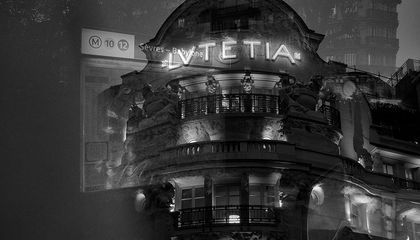
The Lutetia is the only grand hotel that sits on Paris’s famous Left Bank. All her illustrious sisters reside on the other side of the River Seine. So she is sinister in both her literal location and in her eerie heritage. Originally established to cater for the tradesmen and merchants who came to the market in this area just before the First World War, she soon built a reputation for luxury and being a place to see and be seen. She became a favourite of Paris’s artistic community. Hemingway, Jean Paul Sartre, Simone de Beauvoir, Josephine Baker, Pablo Picasso were all regulars here – James Joyce even wrote parts of Ulysses in one of the bedrooms, accompanied by his private secretary, a certain Samuel Beckett. It was even a favourite haunt for De Gaulle, which turned out to be the hotel’s saving grace after the liberation.
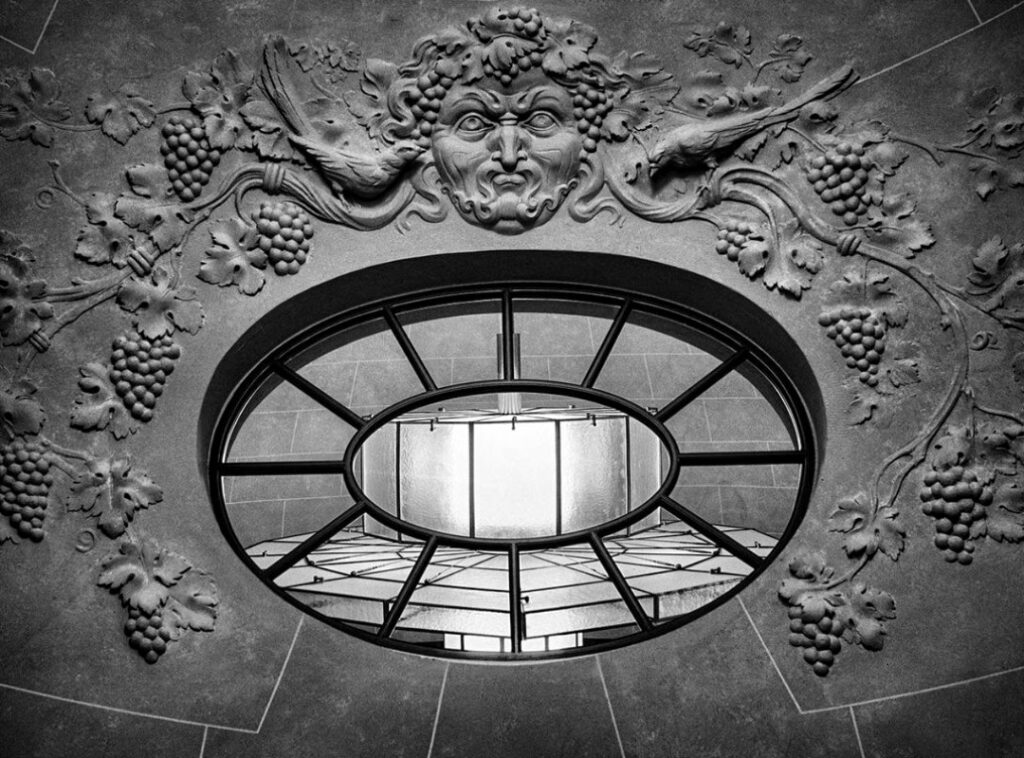

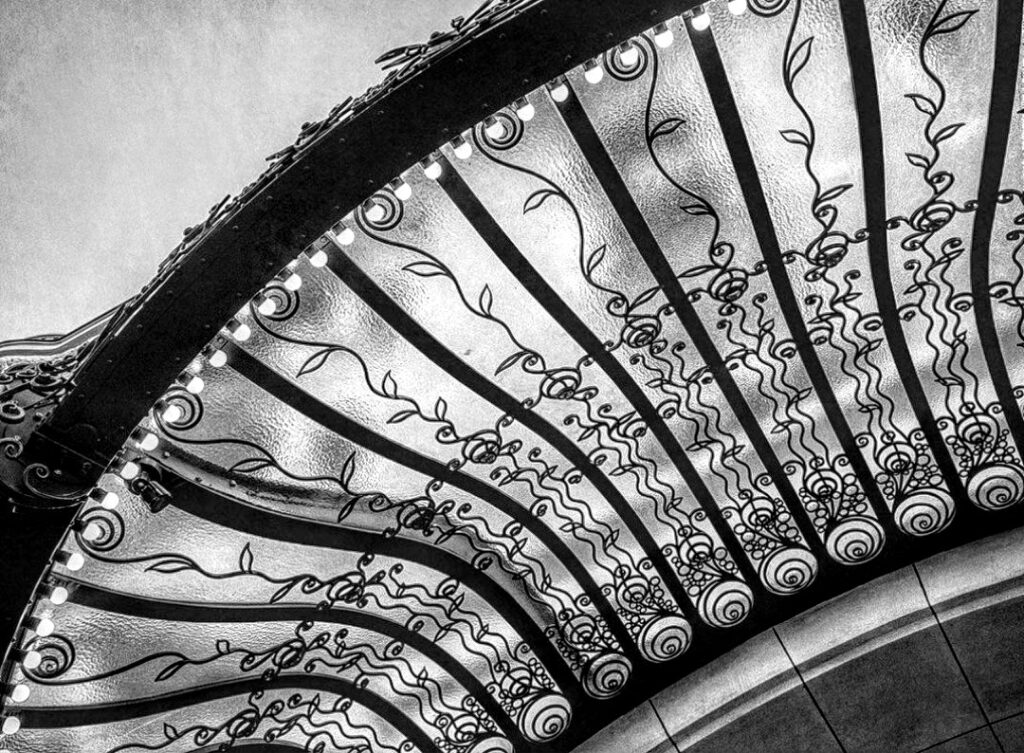


The hotel takes its name from the old Roman name for what is now Paris: Lutetia. And the hotel’s logo is the Roman ship, which was the Lutetian symbol of the erstwhile city. It was recently refurbished and given a new lease of life in order to attract the rich and famous and those who love luxury. But in the war and its aftermath, the hotel served more utilitarian purposes. Under the Nazi occupation, the Abwehr conducted their dark business from the comfort of the hotel. Once Paris was liberated, the returned General De Gaulle, leader of the Free French and fan of the pre-war Lutetia, made the hotel a clearing house for deportees and survivors of the Nazi concentration camps. There is a plaque commemorating these unfortunates – or fortunates depending on your viewpoint – on the wall just outside the entrance. When they were housed in the hotel they were given lime-blossom tea, coffee, jam, gingerbread, bread and butter, cheese and meat. The opulent surroundings must have been like a fantasy for these emaciated souls. But that was De Gaulle’s intention – to give them some comfort after such deprivation and horror. The hotel was repaying its debt to France.


My own encounter with this wonderful, historic hotel, was in 2013. I was in Paris for work. The chosen venue was the Lutetia. Truthfully, I had no idea about the hotel’s history until I arrived. It wasn’t one of my usual haunts in Paris and it felt a little out of the way. The Left Bank was a bit of a mystery to me – all my work to date had been up in the 8th and 9th arrondissements around Rue d’Amsterdam and when I went wandering, I usually went up to Sacre Coeur and Montmartre or into the 2nd and 3rd. Hardly ever over the river.
Over the two days, we worked in one of the smart conference rooms – upstairs for a change, not in a basement, which is where hotels usually stick their Godawful business suites. We had the run of the hotel and at night we explored the Left Bank. Our guide was self-confessedly useless with a map, so we frequently took wrong turns or got onto the Metro platform going in the opposite direction of where she wanted to take us. But this was all for the best – there is nothing like getting lost to help you understand a city.


The work was done and after the intensity of two days locked together we were all free. As usual, my clients rushed off to the airport to jet back to their offices all over America, Asia and Europe. I took my leisure. There was a place I wanted to see more than any other in Paris. A place I had never visited.
I checked out of the hotel and left my luggage with the concierge. I headed over towards the river and the Rue de la Bûcherie. I arrived a couple of minutes before opening time so took in the view across the river to the Ile de la Cité and Notre Dame. The hour struck and I heard the bolt on the door of the best bookshop in the world open for business. I was the first customer of the day. Back then, there weren’t coach loads of tourists outside, eager to snap with their cameras but who had bugger all interest in books and who plagued the place on our last trip in 2018.


Shakespeare & Co. lay through the door of this famous address. As I entered, two of the shop girls were dancing.
I hope you don’t mind, Monsieur? I am teaching my colleague to jive – it is Johnny Hallyday that is playing.
With that, the two young girls continued to twirl – I remember being struck by their full skirts flowing and filling the space in front of the cash till. It was utterly beguiling. The girls and the music exemplified the legendary spirit of this Parisian icon – they were so alive, and the shop’s beating heart was in them both. I wandered around the shop. There is so much to see I know that I missed so much. It is always a mistake to rush, thinking ‘ I will take more time next time’. There may not be a next time. This home of writers, with its itinerant overnight guests – the “tumbleweeds” – is the English language bookshop on the Left Bank. You felt the human spirit at play in there; it was alive. So many notable writers and literary figures have read there. It is a legendary place and if you are interested, there is even a biography of the shop, which tells of its history. It is a very good story.


My time there was too brief. I had not allowed enough time to browse and enjoy it. I swore to return but have yet to make good on that promise. (In 2018, when I tried to return, you could not move inside for Chinese tourists, and we exited after only a minute to go lick our wounds at the shop’s cafe round the corner.) But return we will – hopefully as a guest author, which is my dream.

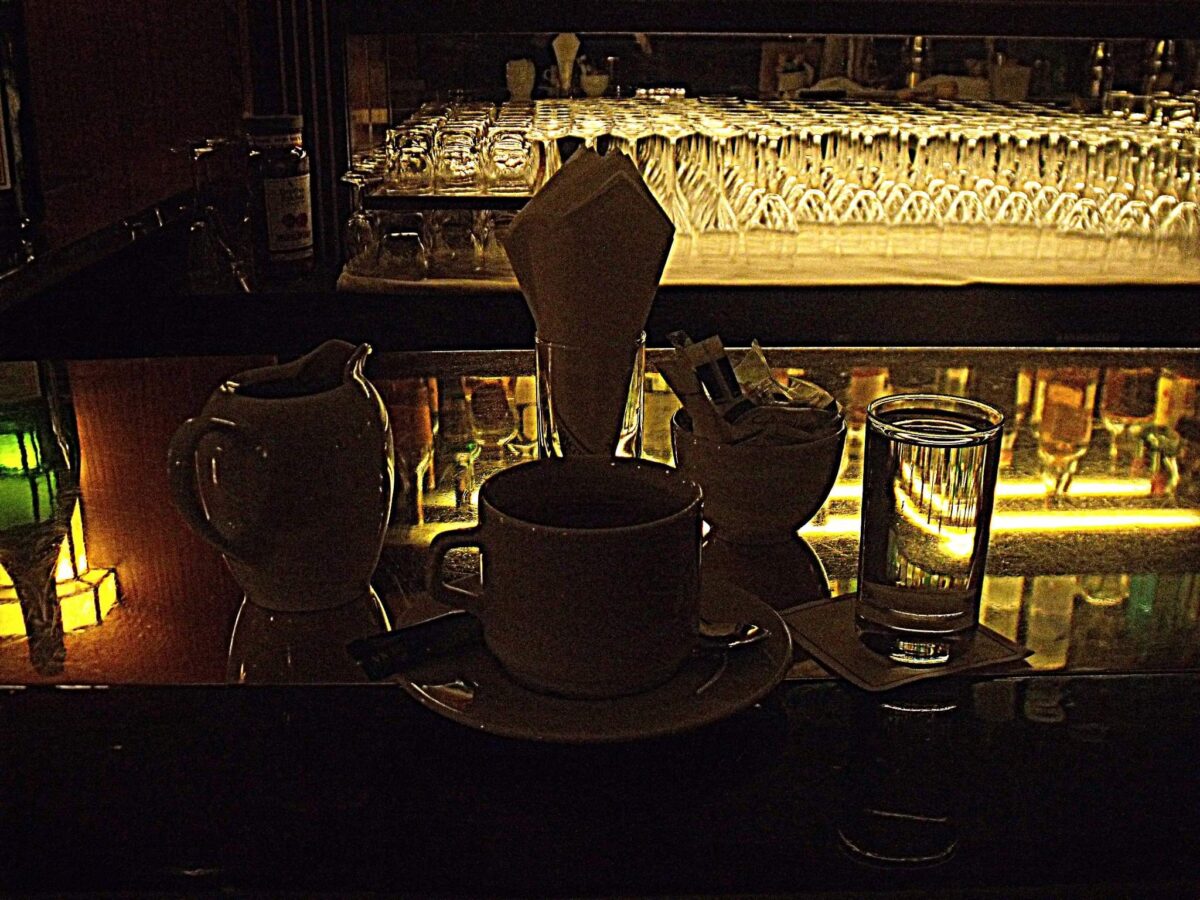
I returned to the Lutetia and headed for the Bar Josephine. I ordered un chococlat chaud. When it arrived, it was the very quintessence of everything French and elegant. It came ensemble: a cream jug containing the liquid chocolate; cup, saucer and spoon; a bowl of sugar in case it wasn’t quite sweet enough; a glass of water to cleanse the palette and refresh the taste buds if the drink became too cloying. And a tall glass with napkins, to wipe away the tell tale signs of indulgence. All served on a polished brass surface as I sat in my favourite place in the world – on a tall stool facing the long bar. It was one of my finest microcosmic experiences – a unique blend of time (returned from seeing a long-loved icon), place (an hotel with a past in the most beautiful city in the world) and circumstance (a job well done for a paying client with the prospect of more work).
This time I raised my hot chocolate in toast to my fortune. I had discovered a new love – the people of Paris may feel a little uneasy about her, but she will always be my place to stay in the City of Light.

