Wharfedale is my dale. I spent most of my childhood in its fold – living on the valley side, going for trips to Bolton Abbey or out to Ilkley and exploring deeper and deeper in as I learnt more about it. The two dales either side – beautiful Nidderdale and industrial Airedale – are also sewn into my skin. The first was my mother’s and grandmother’s favourite, especially around the Sportman’s Arms at Wath, Ramsgill and the Bouthwaite Reservoir, where both their ashes were scattered. The second flows through Leeds and the industrial heartland and is the dale both my parents were born in. My parents moved across Wharfedale in their journey from birth to death. But I was born in Wharfedale.
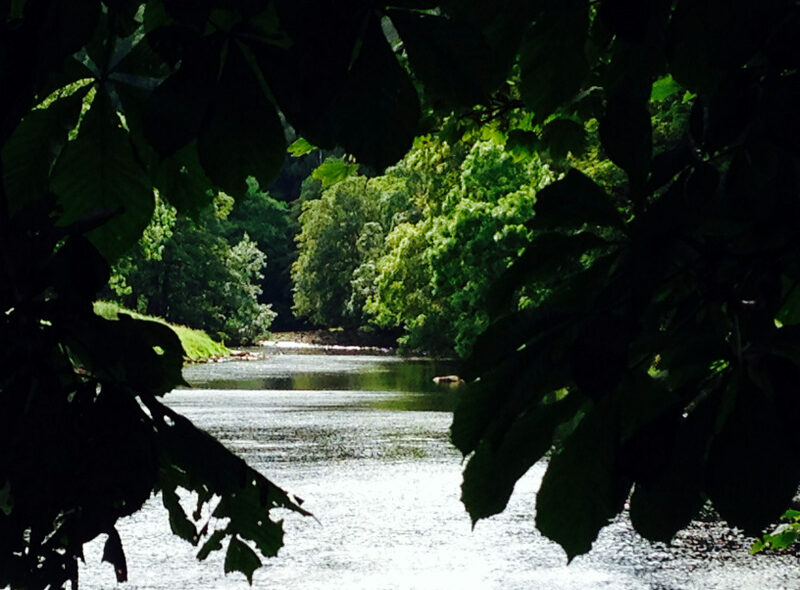
Wharfedale is where I go when I am in need of replenishment. It offers the familiar. Back in 2015 when my mum was ill and I was fresh back from the French Alps, it was my sanctuary to escape the confines of her slow-time-ticking home. I went to the Craven Arms and discovered the campsite at the foot of the road leading up to the pub. In the boot of my car I had a single man tent and I pitched it just near the river at the far end. The sun was warm and it was a balmy day so I changed into swimming shorts and walked down to the river. The water is dark brown from the peat but crystal clear in your hand. It was cold and refreshing. The river changes all the time: deep pools where the water runs slow and tidy and then gurgles over rocks so it’s half an inch deep. Unlike in a swimming pool, the water is always moving and you share it with fresh water shrimp, pond skaters and mayflies. The light sparkled off the bubbling water and the river gushed and rushed. Lying in the water and letting the torrent glide over me, I saw a Kingfisher alight on a branch dribbled over the water’s edge. It had its hunting eyes on the surface as it rested momentarily. A second later, scarcely enough time to register its majesty in my mind, the Kingfisher scooted off and hurtled upstream. I smiled. This is what restores me.

Royal presence 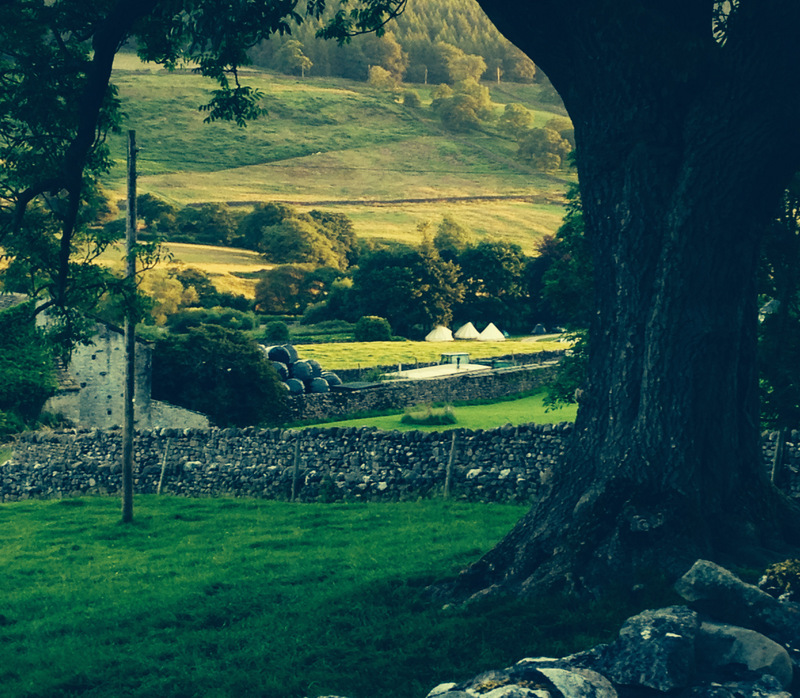
The campsite
Towelling off, I walk back and change in my tent. I zip up and head onto the river path which takes me up towards Burnsall. The path is blocked by a hedgehog and I skirt around her, bidding Mrs. Tiggywinkle “good afternoon” as she bustles about her business.
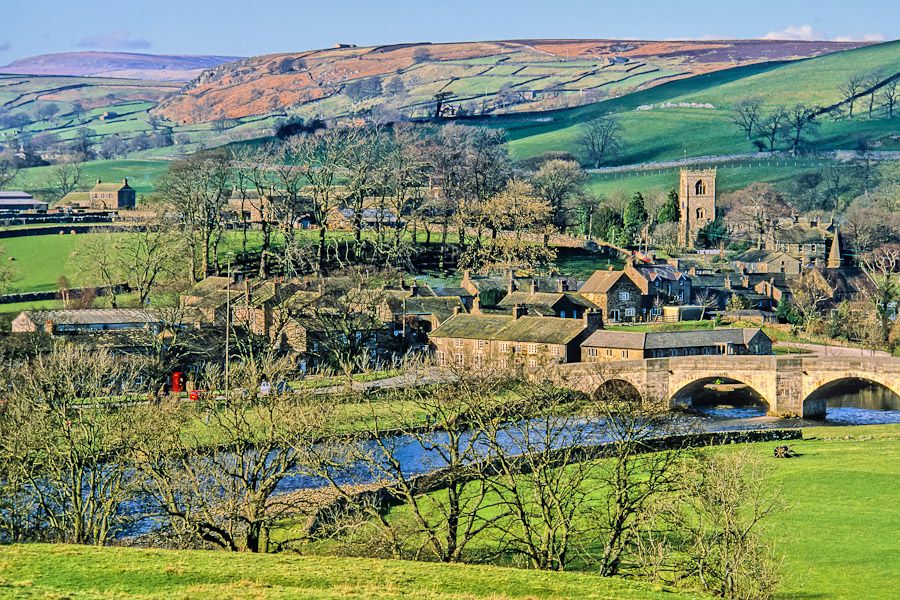
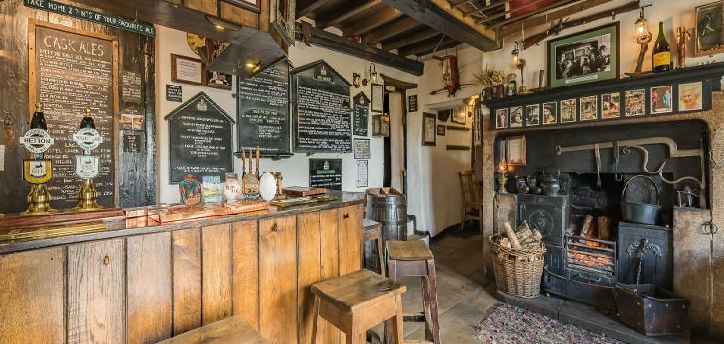
The swim and the walk have brought on a thirst. The advantage of this campsite is its proximity to the best pub in the Dale. The Craven Arms. As I head up the field towards the gate and the road, I see a familiar face. John. John who I spent a week with in Kaprun on my third attempt to pass the ski instructor exam, the Anwerter.
John?
‘Ello, David.
What brings you here? So strange!
Not really. If you think about it. You and I enjoy a lot of the same things. Not that surprising we bump into each other here.
I invited John and his daughter, who was about twelve, to join me up the road in the pub for dinner. They did. A few pints and a hearty supper later we sat in peaceful contemplation of the beauty around us. It was one of those lovely coincidences that make a memory very special and I treasure that day and night. They were real magic.

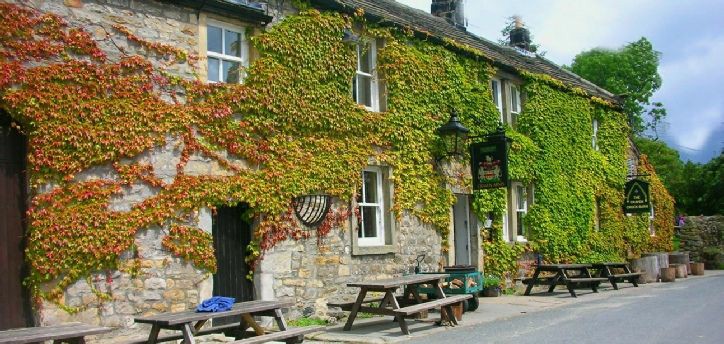
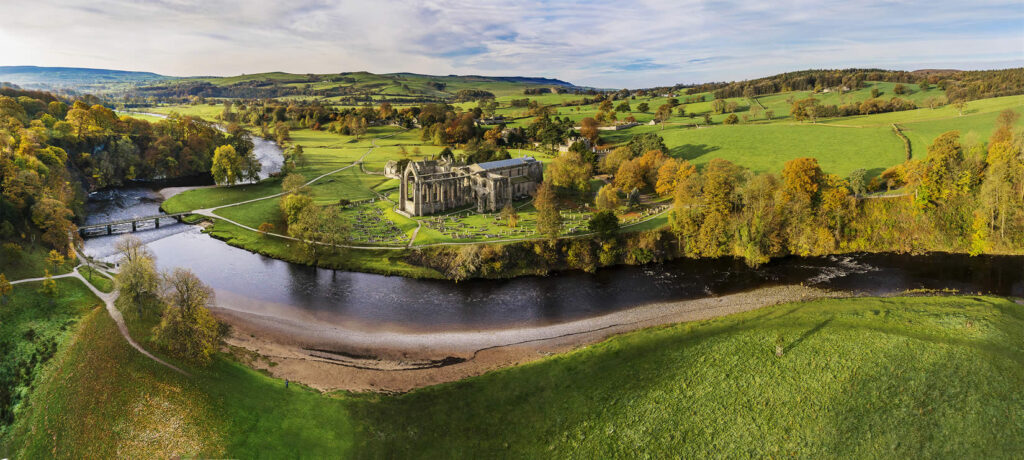
The river after Bolton Abbey is more sedate. The Abbey itself is where I went as a boy. It was a favourite place to have winter picnics for my parents and we often came here with the family when they were staying. My nephew fell into the river off the stepping stones and I remember my brothers skimming stones – ducks and drakes – from the stony shore across the river on its bend after the stepping stones. My brother Robert had fishing lessons from old Harry Wood – Harry smoked a pipe and was an expert with a fly cast. I merried myself along the riverbank whilst Harry and Rob went about their fishy business. A few years later it was my turn and I was taken fishing for trout by my father’s friend from the Mill, Richard Braithwaite. We caught two large brown trout, which he gave to me and we cooked at home.
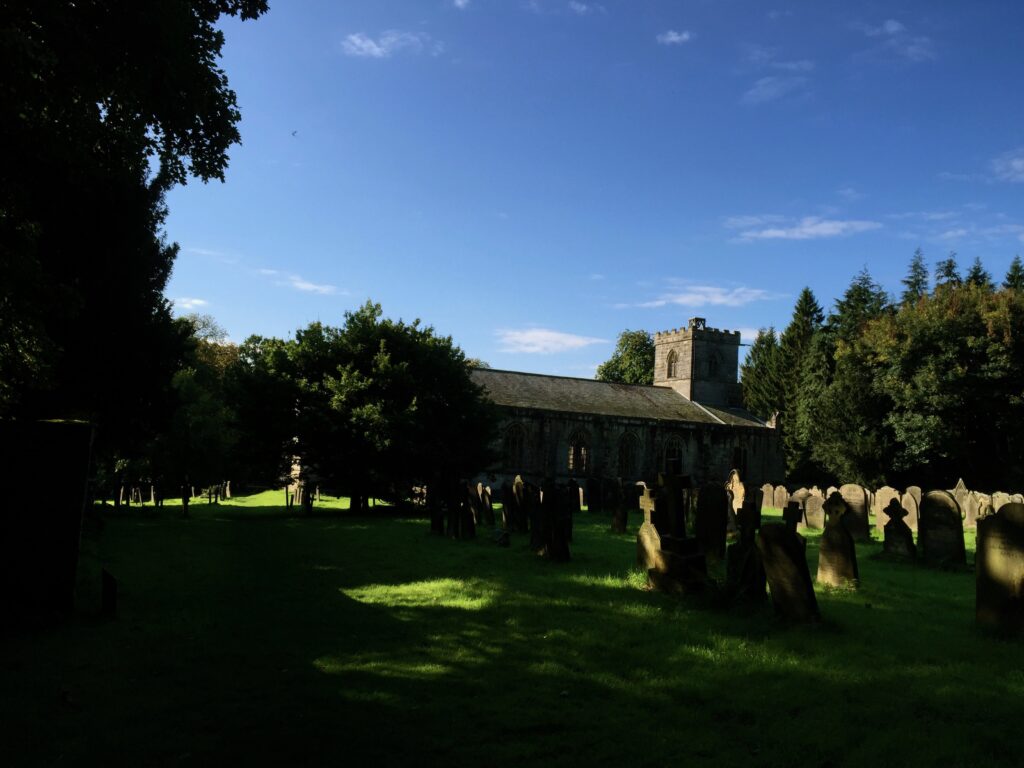
In the last decade of their lives, my parents lived in Harewood. The village lies atop the ridge and when you walk behind the houses and parallel to the valley as it drops away to your right, you can see all the way down the dale as far as Ilkley and beyond the railway viaduct. Over to your right and across on the other side of the dale is Almscliff Crag. As you walk along the estate wall that marks the boundary of the Harewood lands, the tall line of beech trees guides you until you find a track off to the left. About 50 yards up the track is the gate into the spookiest church in Christendom. It is a Victorian church, made of blackened sandstone and full of foreboding. To visit at dusk, as the eerie cry of pheasants roosting screeches the air, it feels cold and wintry. Only on the most sun-hazed afternoon does it seem at all cheery, and in spring the daffodils give it the feeling of hope. Otherwise, it is a dreary and dreadful place to be buried. But, in its way, the way it wears dourness is brilliantly Yorkshire.
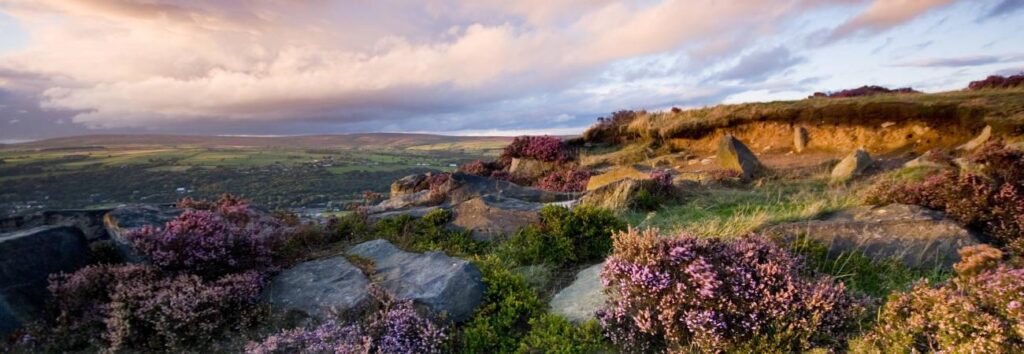
As you travel further down stream, you hit Ilkley. Ilkley is more famous for its moor. But the river snakes past the town and leaves its quiet impression. After Burley-in-Wharfedale and Otley, it meanders along within site of Pool and then along to Wetherby and round the back of Linton, where I was born in a house called Wild Cherries, and which looks down on the river. My eldest brother Nick was born almost in the river at Snowdrop Cottage, which sits snuggly under the bridge from Collingham to Linton. In Wetherby, my sisters, then still with their mum and my dad, sat atop the ridge of the old railway line at Raby Park and commanded the best view of the river as it snaked into town. After Wetherby, it passes through Boston Spa and over the wharf on past Newton Kyme and on sedately to Tadcaster. After that, I lose its track for this is beyond my boundaries of childhood.
All the people of this Dale and all these towns and villages and hamlets, campsites and restaurants, playing fields and grazing lands, farms, shops, schools and churches, with all their life and death, exist because of the river. The river has watered the fields, quenched the cattle and sheeps’ thirst, made the ale and fed the body, mind and spirit of those folk that live along its banks and further up its reaches. Some, like Thomas Wyatt, a friend of my eldest brother, it has taken from us, for the waters are not always friendly. But all their souls – the living and the dead – share the same river that runs through us all.