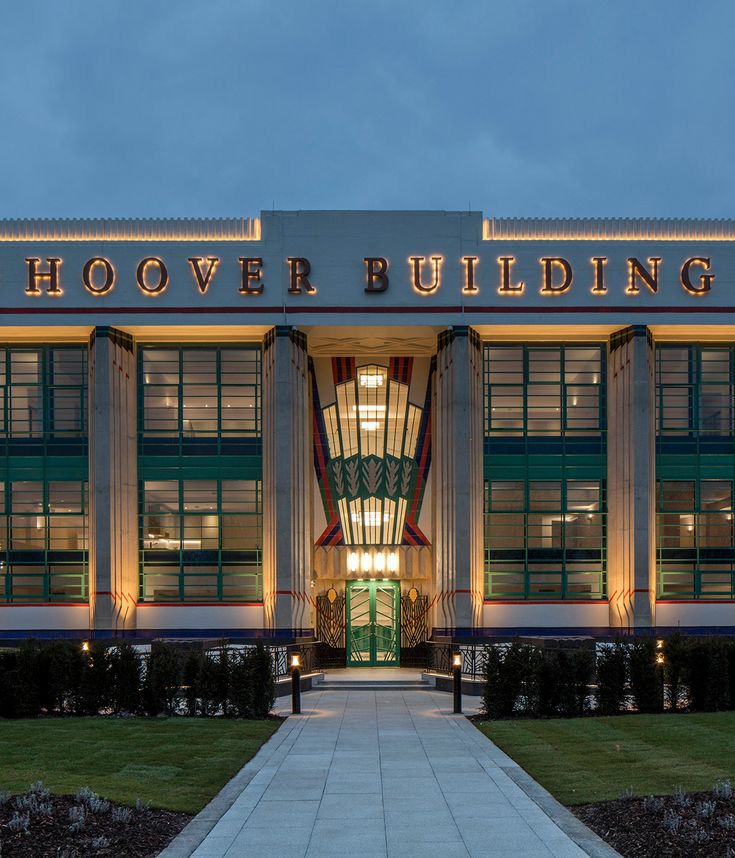
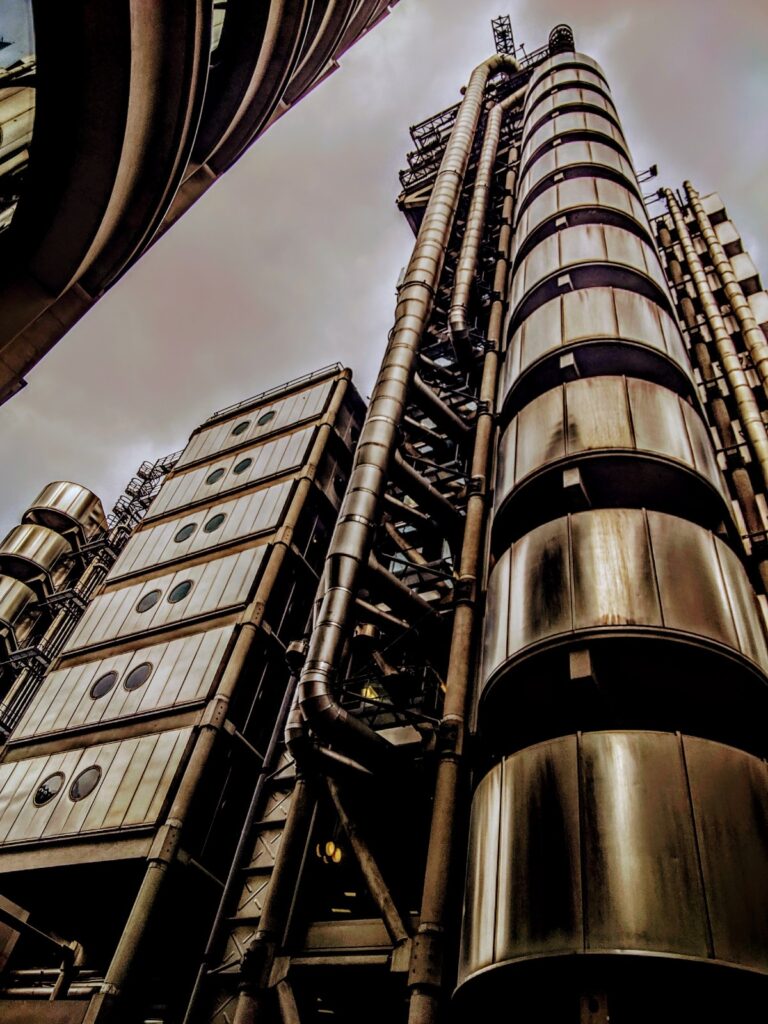
This post is dedicated to Richard Rogers, the Labour peer and world famous architect, who died yesterday aged 88. The obituaries are long and full of all his achievements and his philosophy of architecture, the built environment and urban renewal. He was a towering figure in his profession and, much as another hero of mine, Sir Terrence Conran did, he, alongside his friend and collaborator Sir Norman Foster, revolutionised the look of modern Britain. His achievements rank as some of the most iconic buildings on the planet: the Pompidou Centre in Paris, the Lloyds building in the City, the Cheesegrater in the same and the Millennium Dome in Greenwich. London’s skyline is all the better for his vision.
There is a line in the film “Indecent proposal” I have always loved as a piece of sublime metaphorical oratory. Woody Harrelson, playing the role of a lecturer in architecture, addresses his class.
“What’s this?”, he asks the assembled students, holding a brick up in his hand for everyone to see.
His question is met with statements of the obvious – “it’s a brick” – but he pushes his students. “Even a humble brick wants to be something. A brick has ambition. It wants to be more than it is, be something better”. He then starts a slideshow on the carousel which shows beautiful building after beautiful building; the Great Pyramid of Giza, the Parthenon, the Chrysler Building in Manhattan, the Guggenheim, Louis Kahn’s Exeter library. All of them iconic architectural totems to prove his point. And his point: that if an architect gets it right, she can lift the human spirit to a higher place.
Our built environment sits squarely in our base chakra, in our need for belonging and a home to centre our universe. But, being human beings, we do not stick at base level. We do not stick at mud huts, beautiful as they are (and if you don’t believe me, go look at the city of Djenné in Mali). We aspire to something better. We aspire for something aesthetically and spiritually uplifting. Most of us live in drab, unimaginative buildings of anonymous ubiquity, utilitarian, convenient. But I have been lucky enough to to inhabit a couple of spectacular buildings – ones where the ambition of the bricks was worn conspicuously.
The middle class have an addiction to property. It is an addiction to porn with a plethora of websites, magazines and TV shows dedicated to housing and architecture to cater for our lust. Grand Designs is probably the best example of one man’s mission to evangelise the cause of great and original architecture in the UK. Kevin McCloud may have led thousands of investors to penury with his dream homes property bond, but his programme raised the sights for many of us about what the built environment can mean and be.
These are my favourite buildings. There will be hundreds of others which could also be my favourites – I just don’t know them. So this is a blog which will be added to over the years as I discover new delights. In my parallel universe, I would have been an architect. In the Masterclass series of lectures, Frank Gehry talks about design and architecture. ‘A place for all people’ by Richard Rogers extolls the merits of life, architecture and fair society:
“Architecture creates shelter and transforms the ordinary. Good architecture civilises and humanises, bad architecture brutalises”
Richard Rogers
Architects are literally the builders of society. The best of them enjoy celebrity status – Norman Foster, Frank Lloyd Wright, Daniel Libeskind , Antoni Gaudi, Le Corbusier, Zaha Hadid, Oscar Niemeyer, Christopher Wren, Michelangelo – and have added to our wealth as a civilisation. They are Gods who coax magnificence out of humble clay and create the sublime aesthetics of our world. It is a noble profession.
We all indulge in architectural fantasies. It is where we retreat when our world is collapsing. Even Adolf Hitler took comfort in his architect’s visions of the new Berlin as the Allied bombs destroyed his dream of a thousand year Reich. That architect, Albert Speer, served 20 years in Spandau gaol as one of 24 major Nazi war criminals for using slave labour in pursuit of idealogical projects and industrial efficiency.
There is something comforting in the illusion of permanence, in the testimony that buildings provide that “I was here”. In many instances, buildings are brick and mortar extensions of our ego. But once they are up, and the man who paid the cheque is long gone, the buildings remain and take on an identity of their own, independent of their creator.
These are my favourite building on the planet. I hope to be adding to the library continuously.

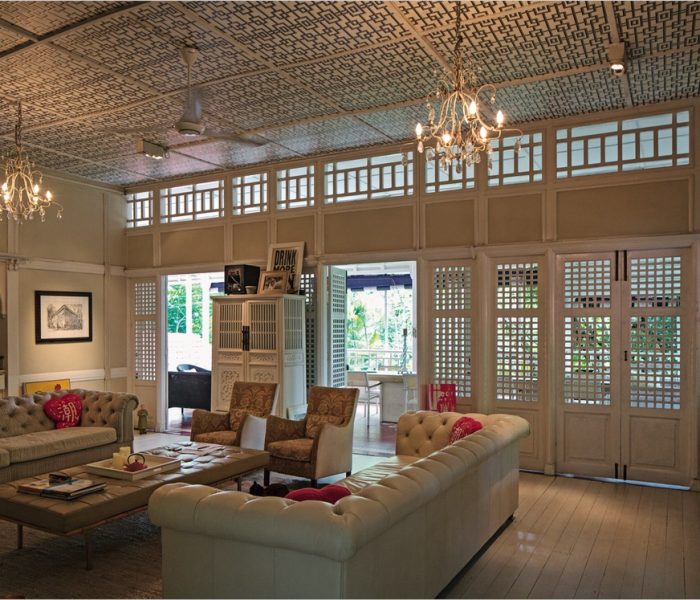
The Singapore Black and Whites – 6 Russels Road – nicest of them all. Cool colonial architecture in Alexandra Park

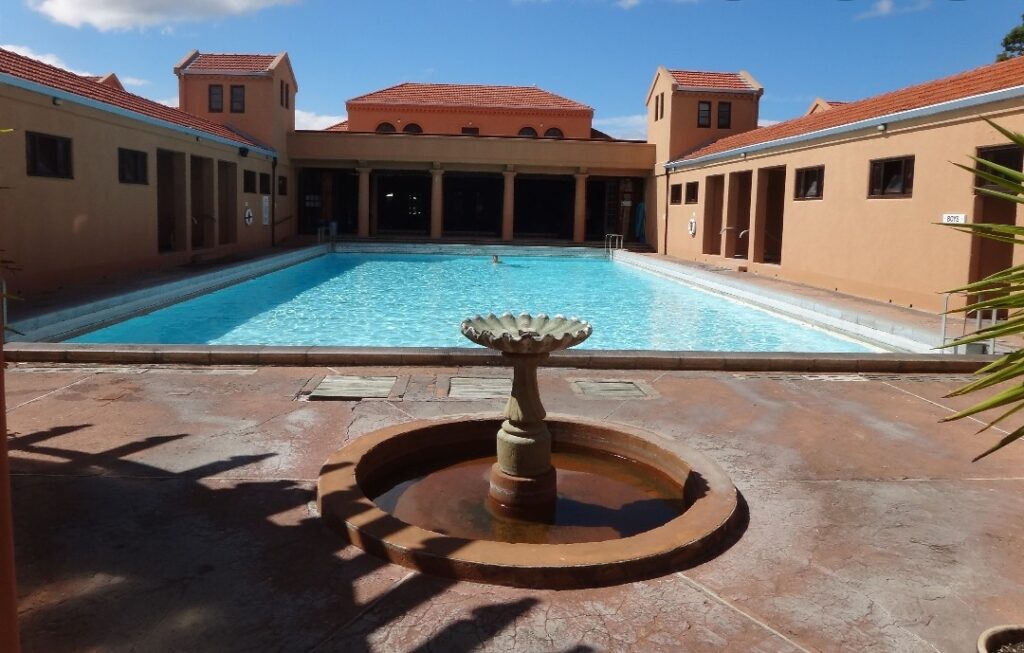
Blue Baths in Rotorua – Spanish Colonial 1920s

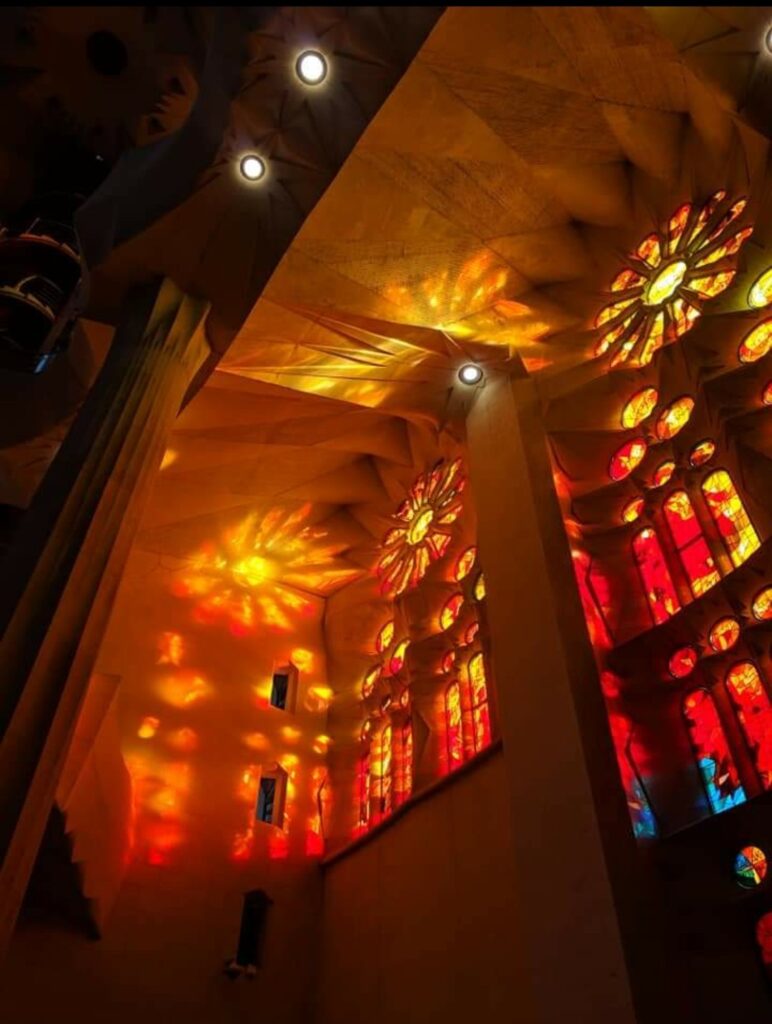
Gaudi’s vision to see how the sun set would work without ever seeing it 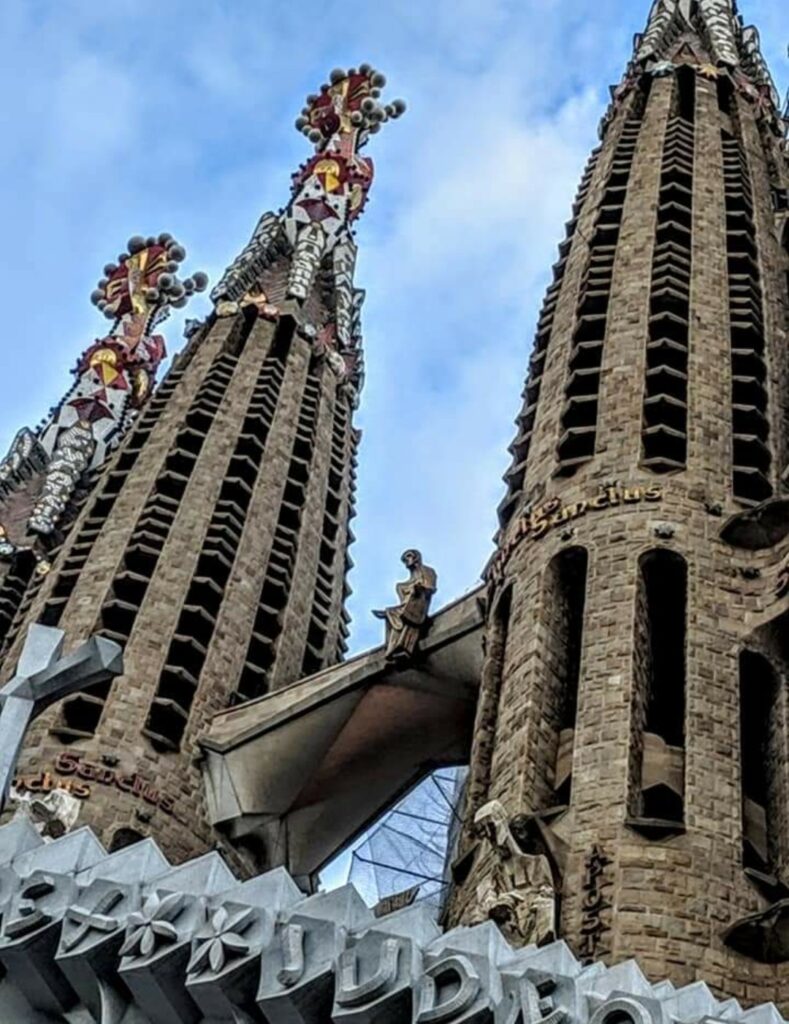
Sagreda Familia
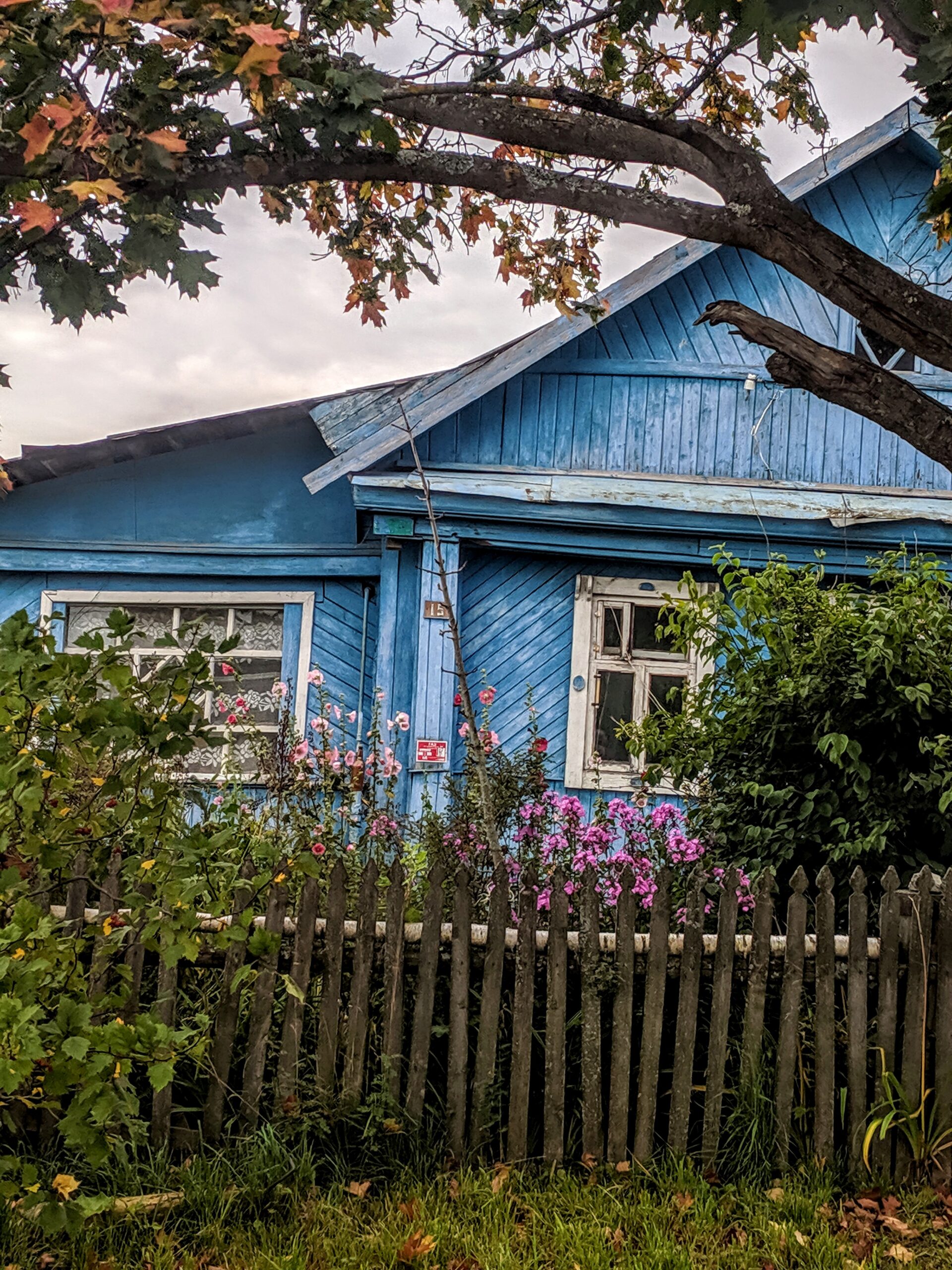

Tsarskoe Selo 
Golden magnificence
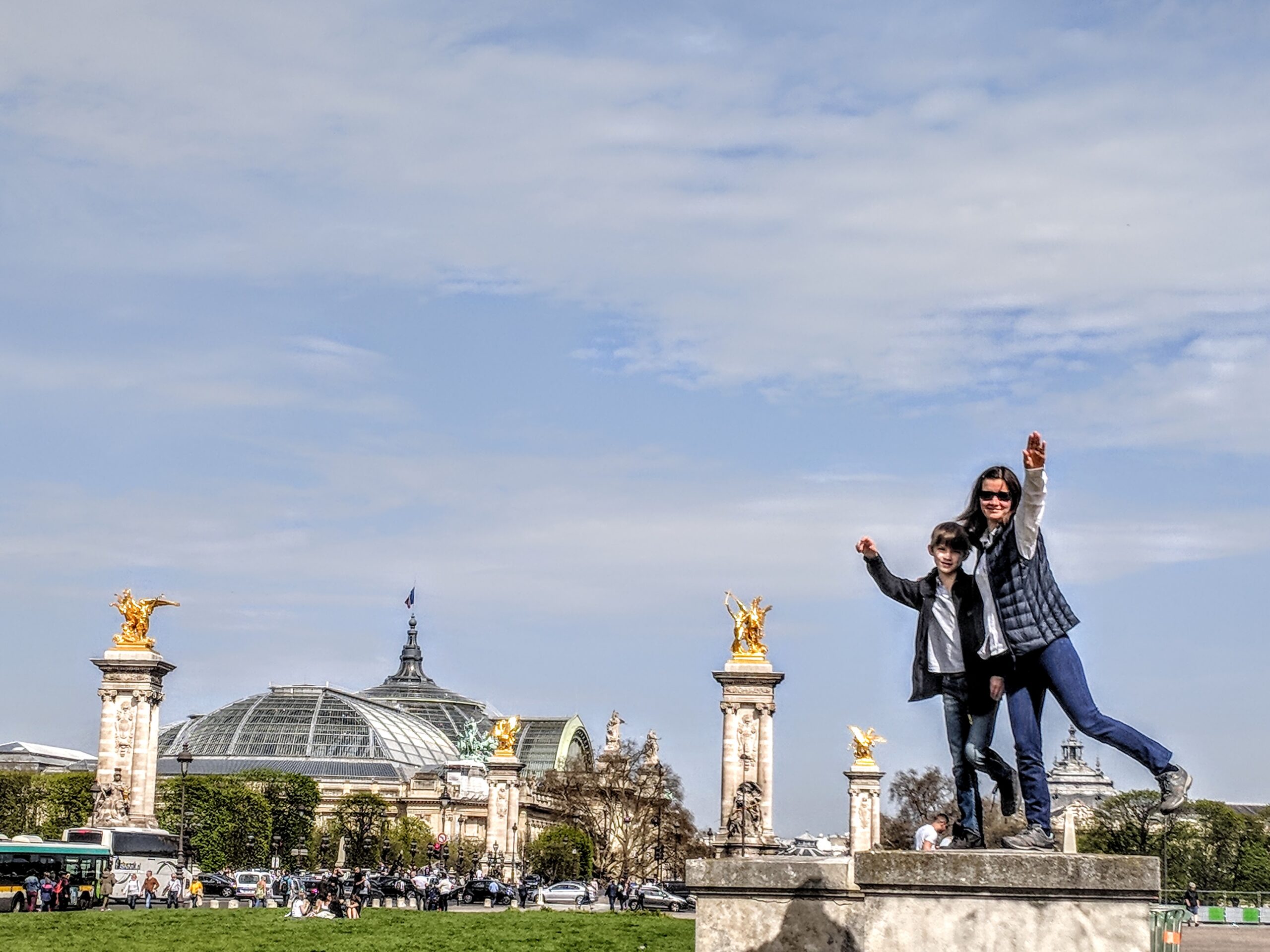
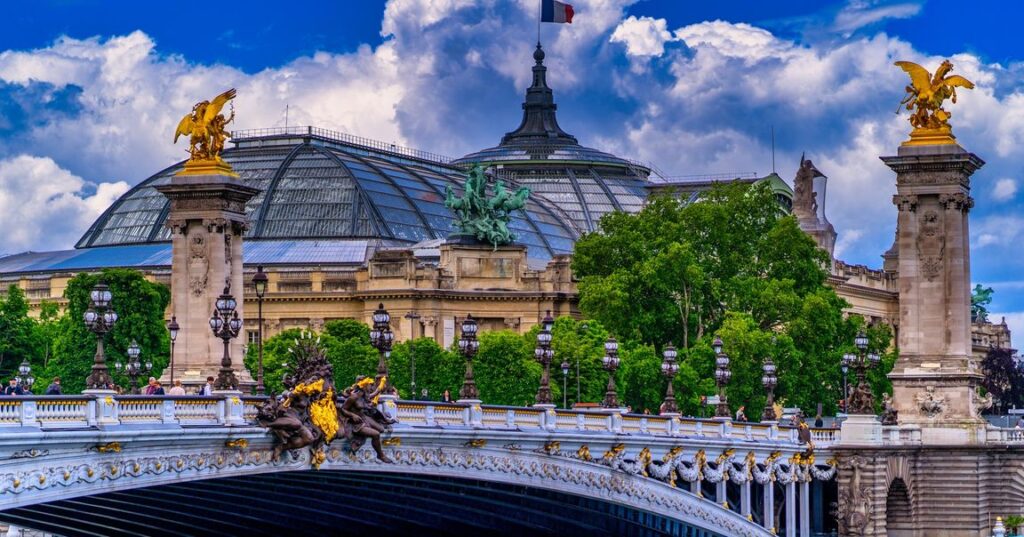
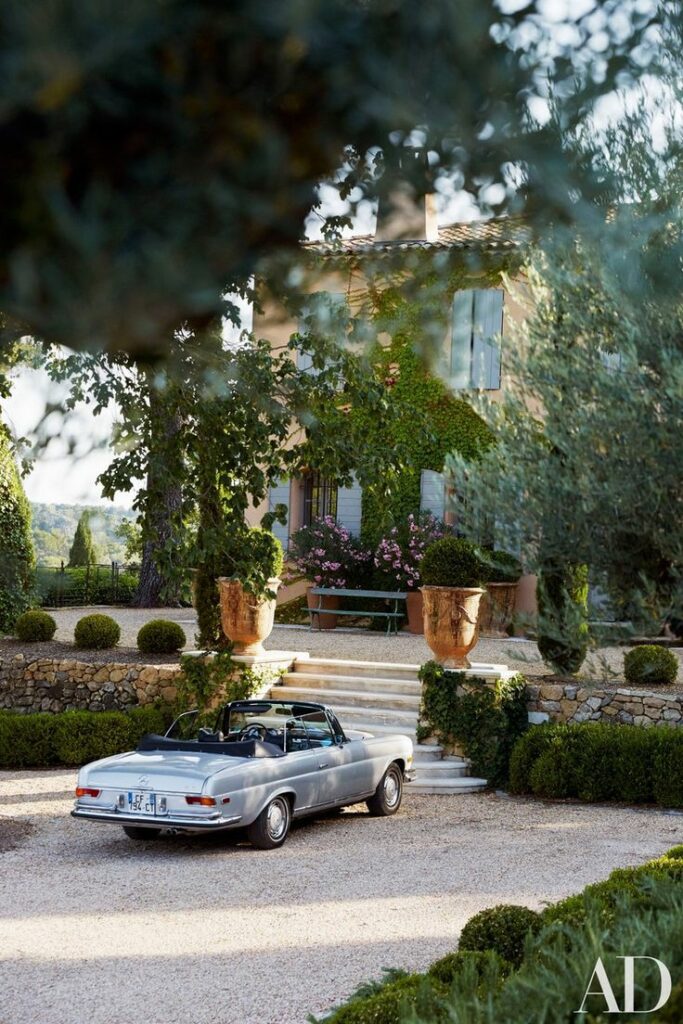
My French idyll 
My English idyll
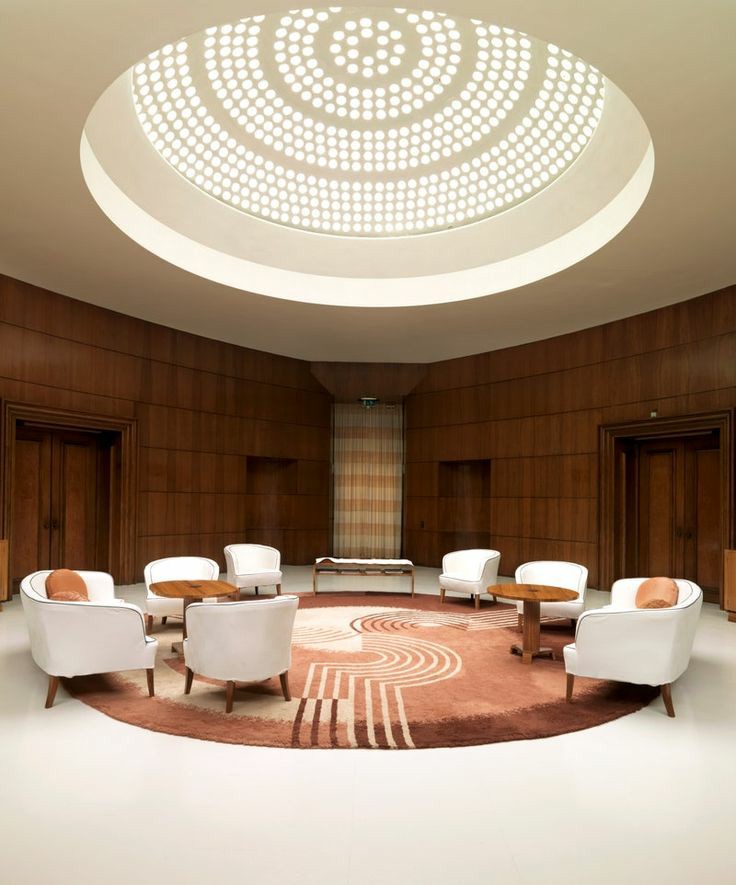
Eltham Palace, Greenwich, SE9 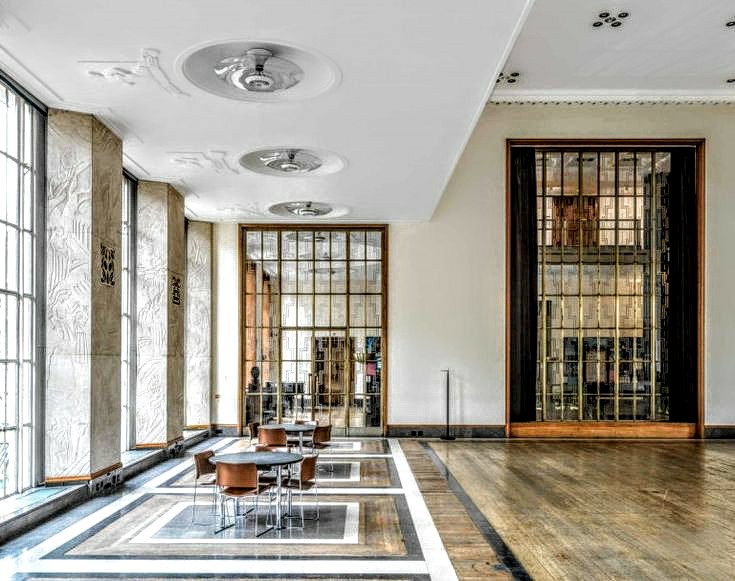
Royal Institute of Architects, 66 Portland Place

Versace pool, Florida 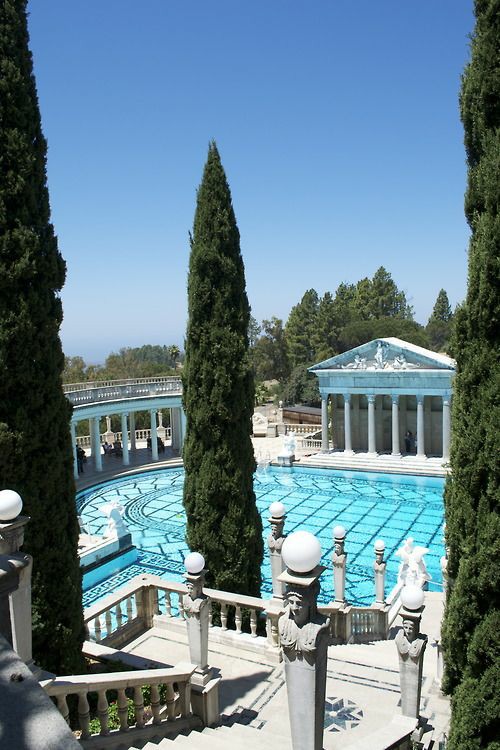
Spartacus pool, San Simeon 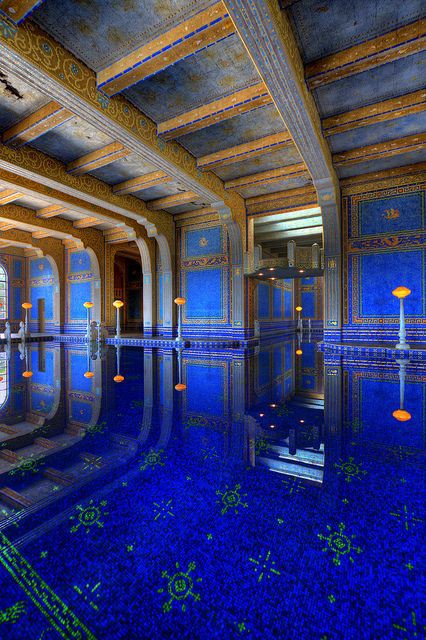
Egyptian pool, San Simeon 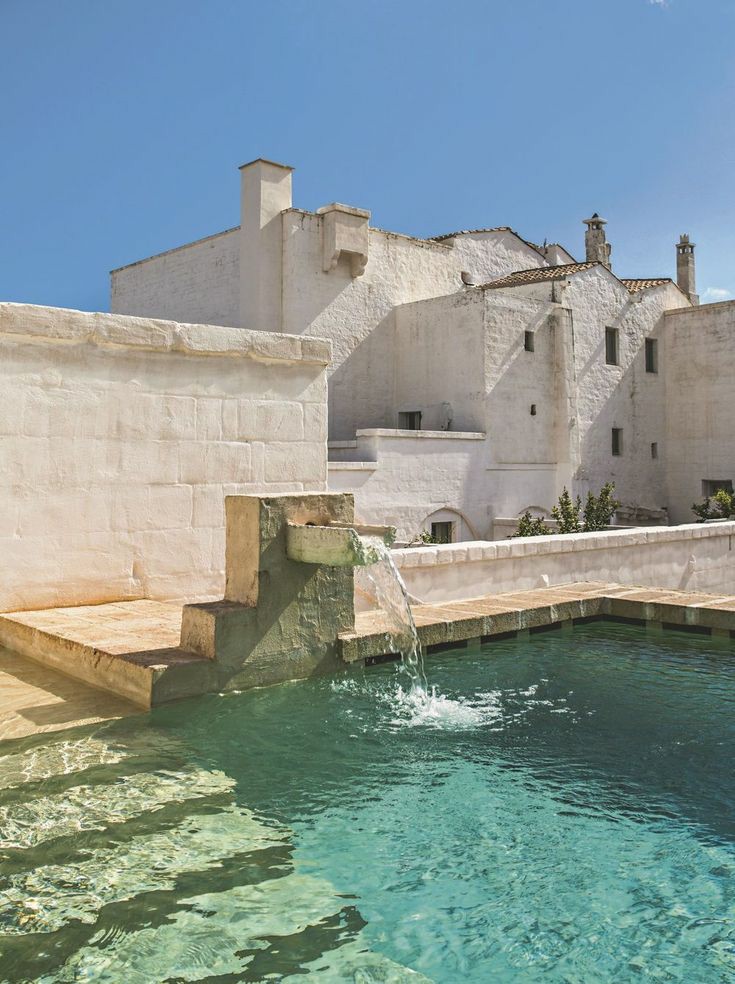
Mediterranean ‘au natural’ simplicity 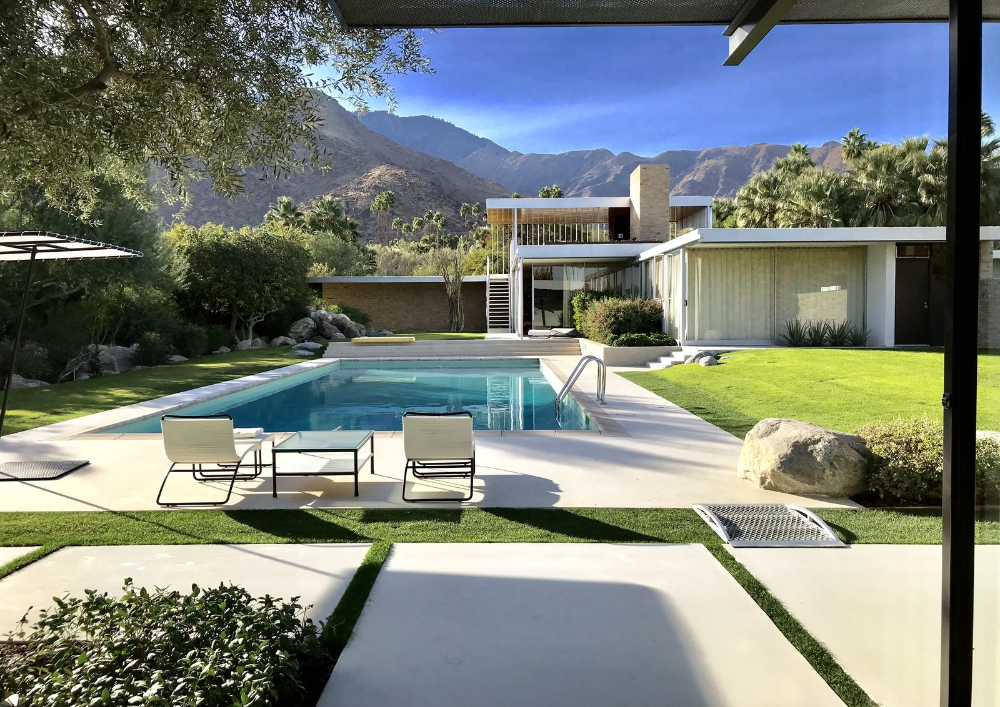
Palm Springs style
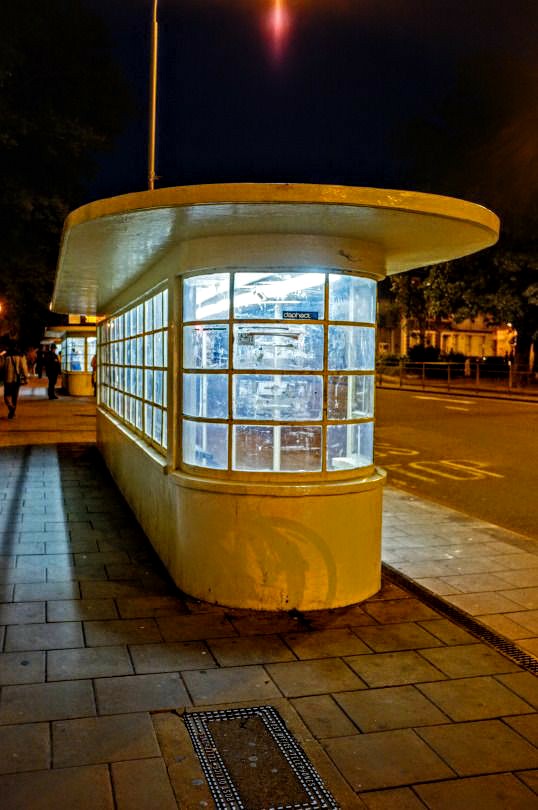
1926 Streamline Moderne tram shelters in Brighton
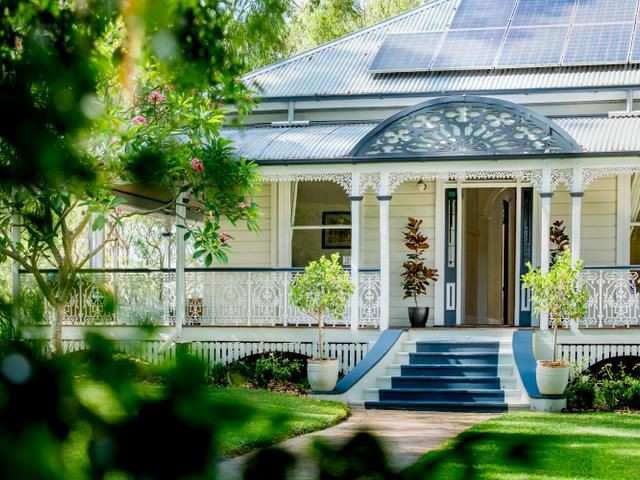
New Zealand colonial veranda 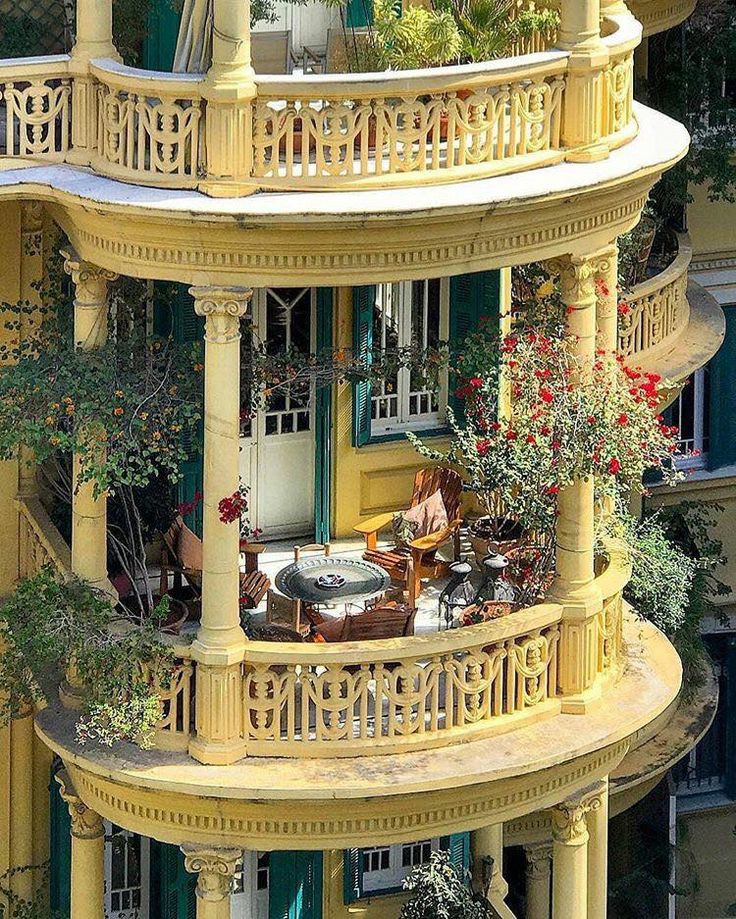
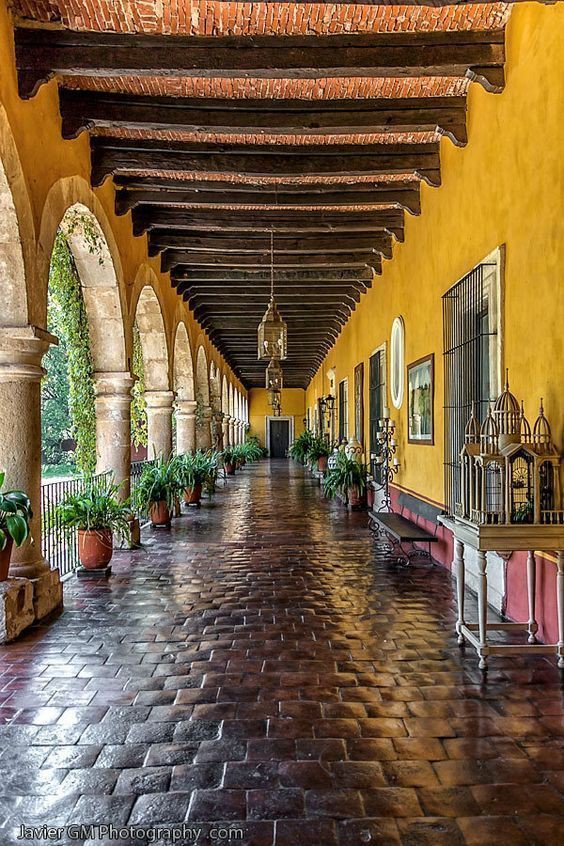
Mexico City balcony living 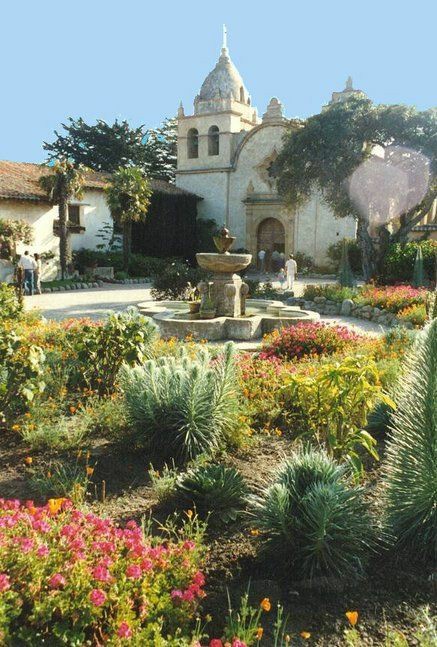
Spanish Mission, California 1769-1833 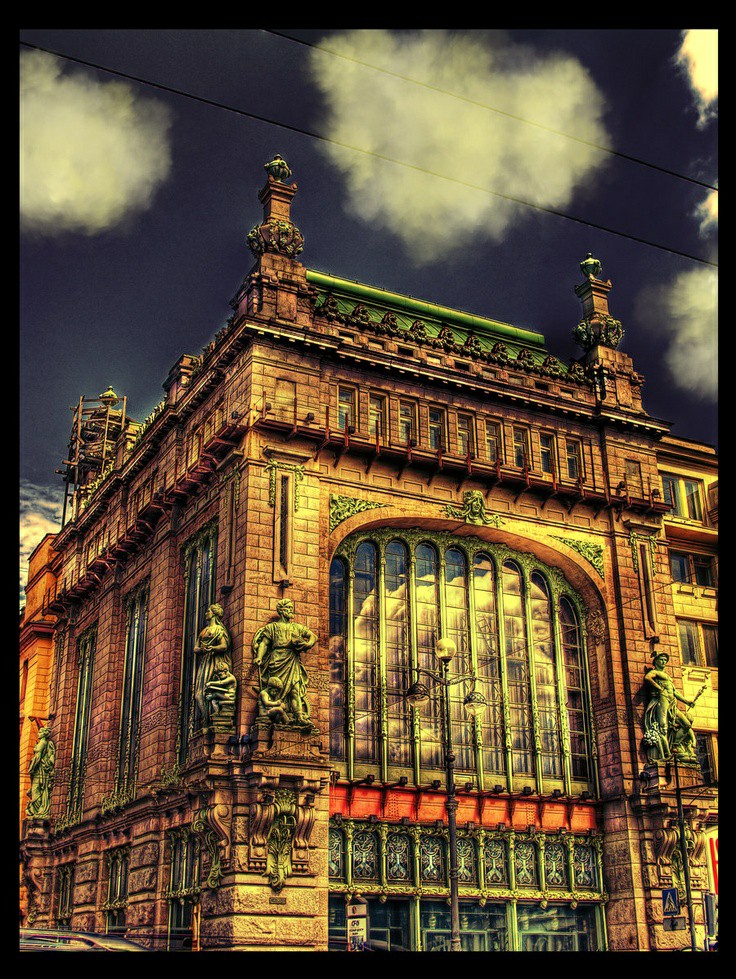
Eliseyev Emporium on Nevsky Prospekt – Fortum & Mason but better architecture
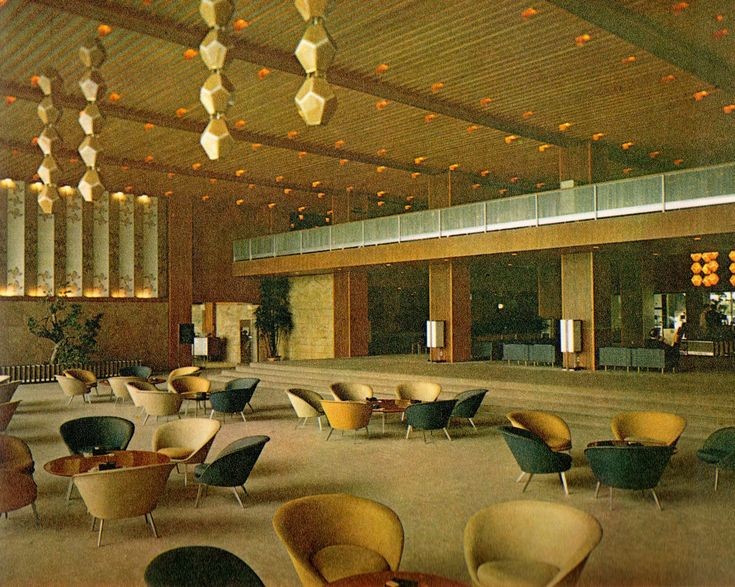
James Bond Goldfinger style 
The now demolished Okura Hotel where I stayed in 2004
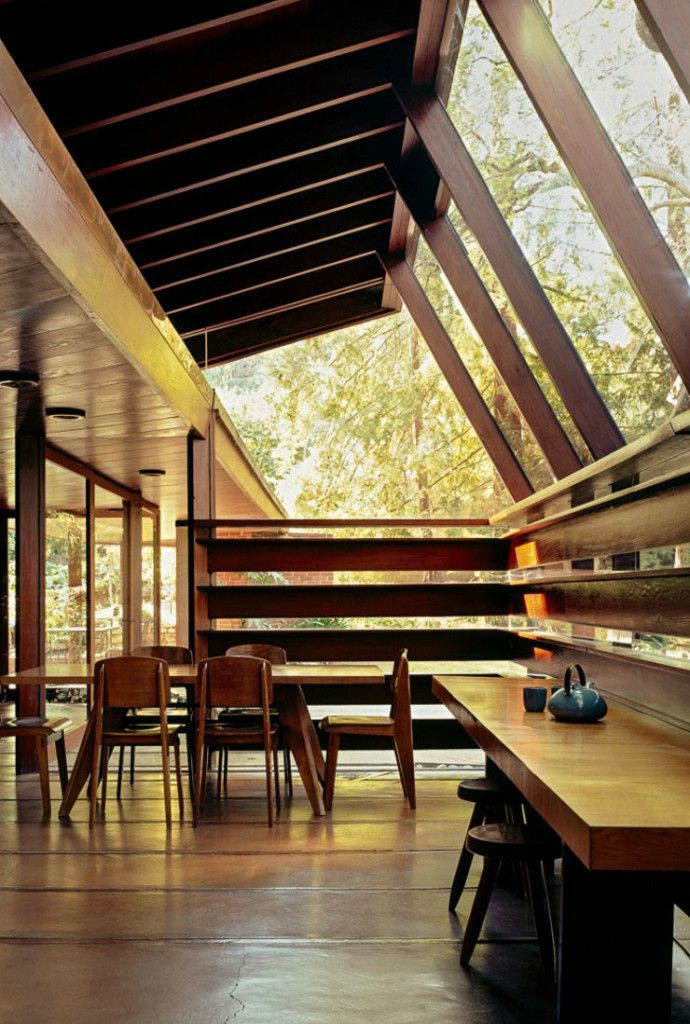
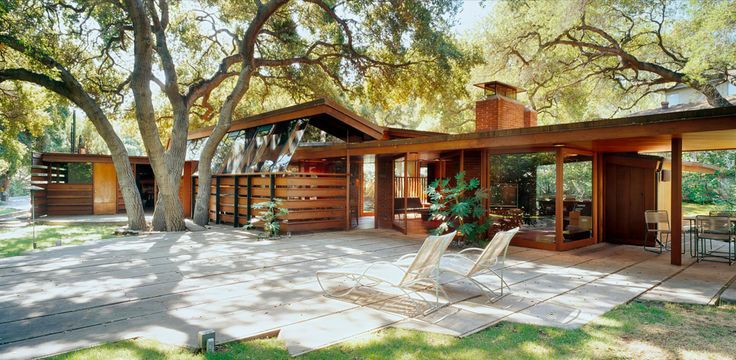
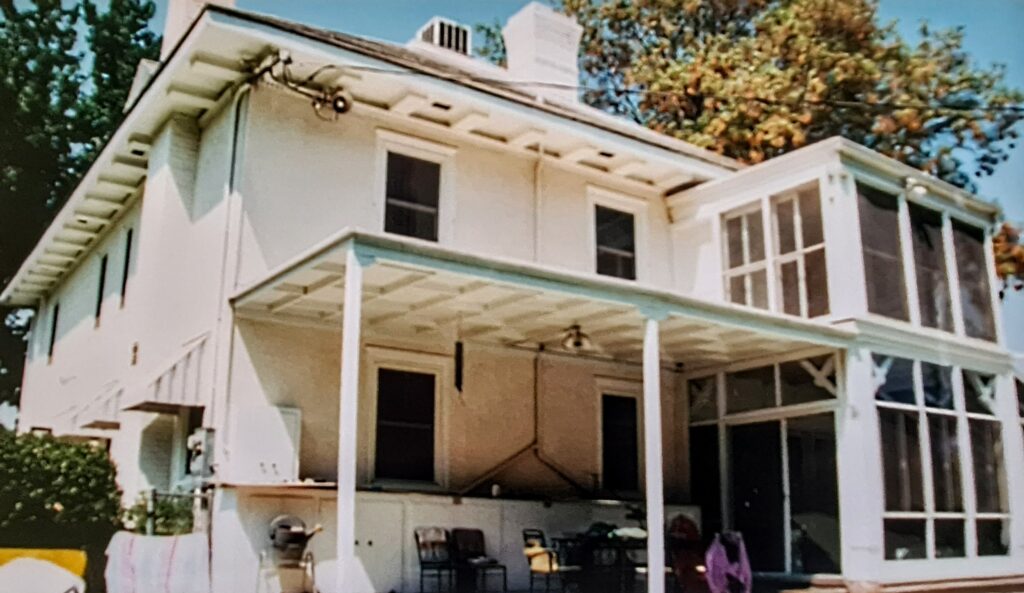
Terry & Ralph’s house, Redlands, CA 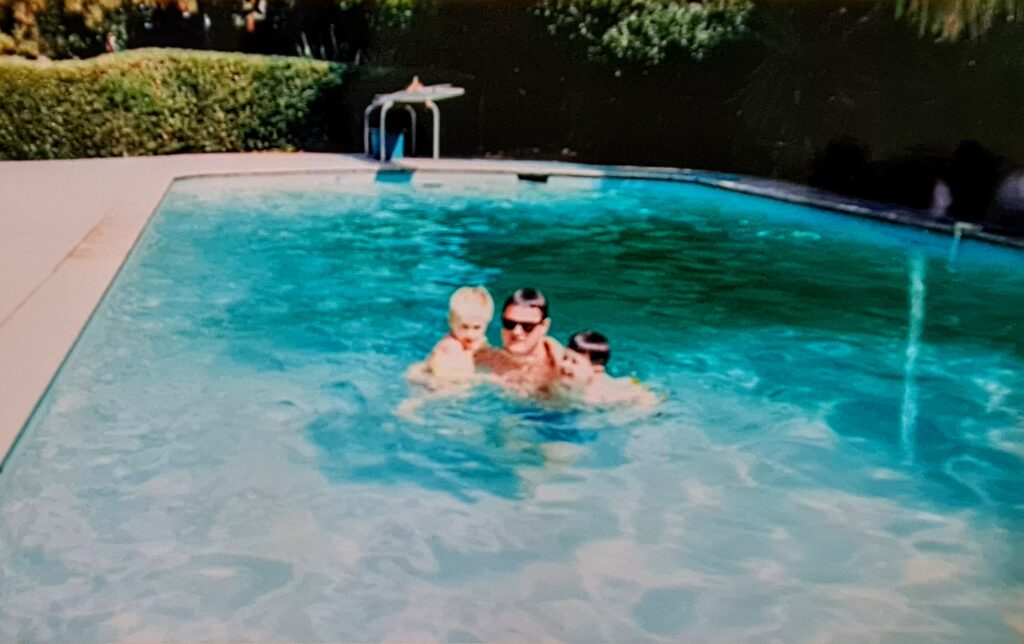
1999 in the Redlands pool
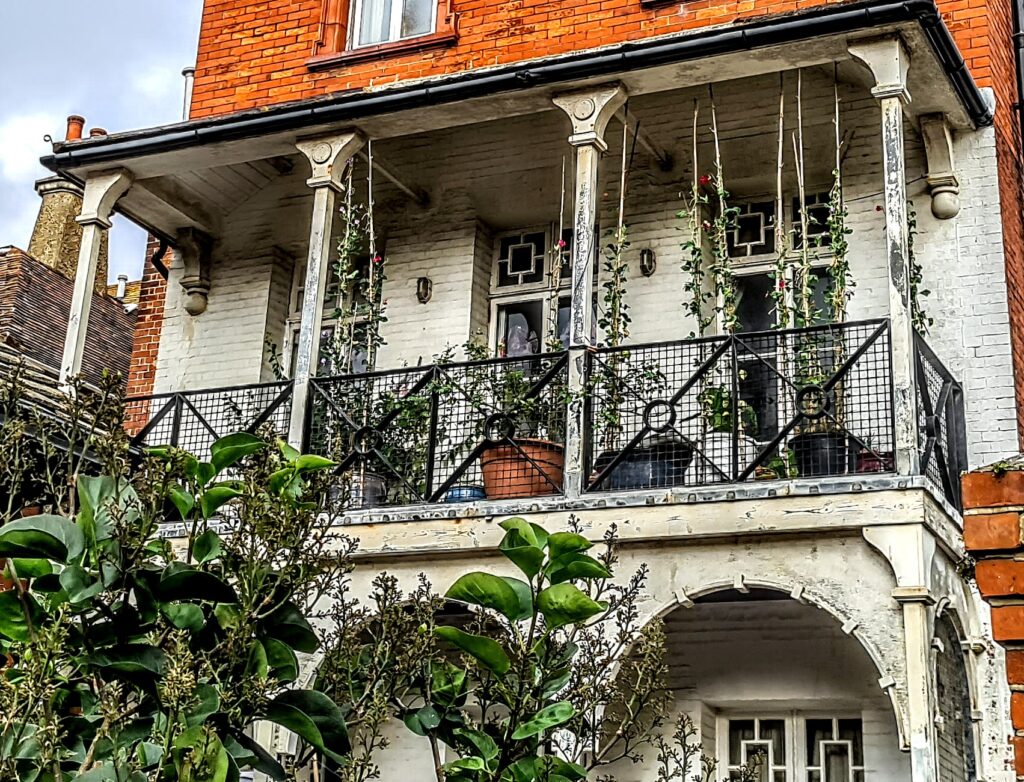
Brighton eclectic 
The Paris Pub 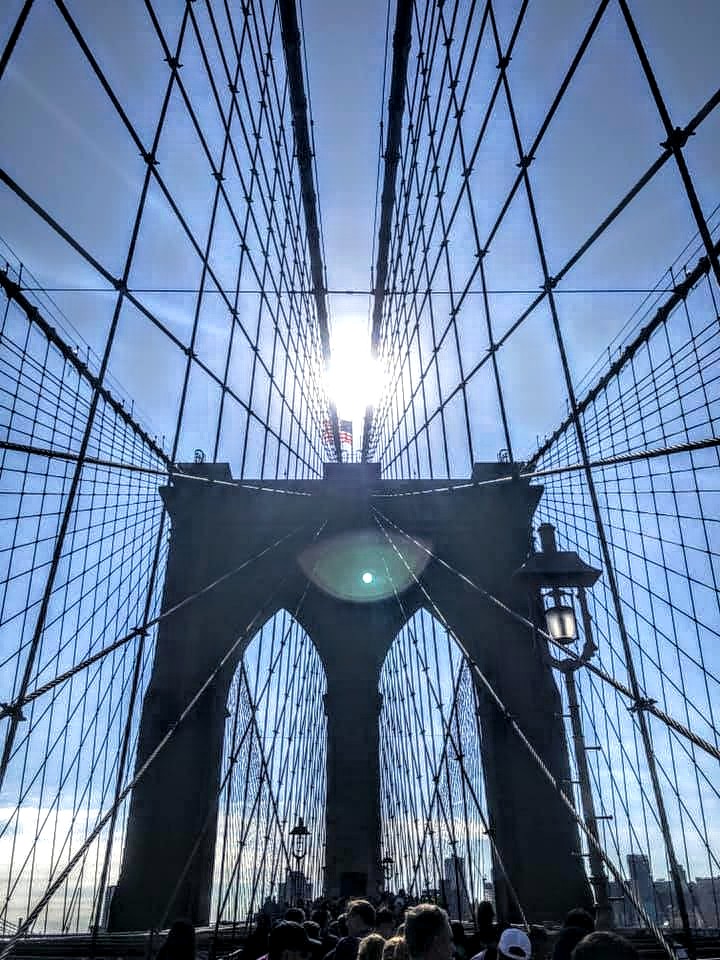
Brooklyn Bridge 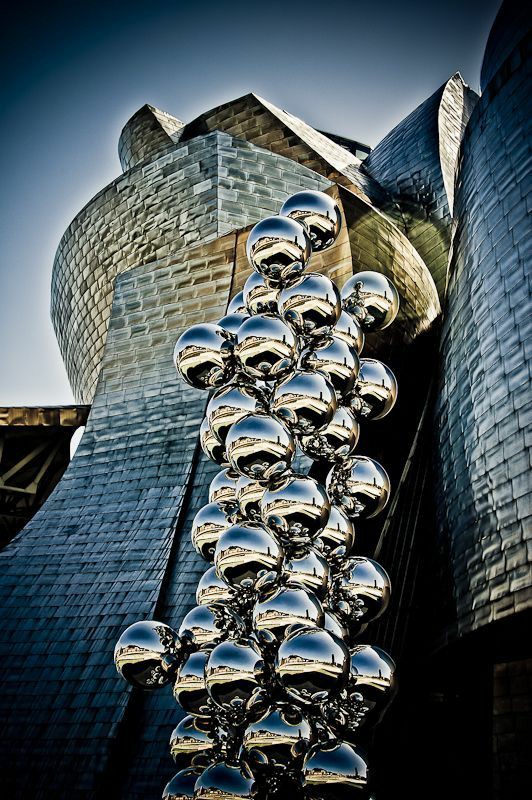
Effervescence 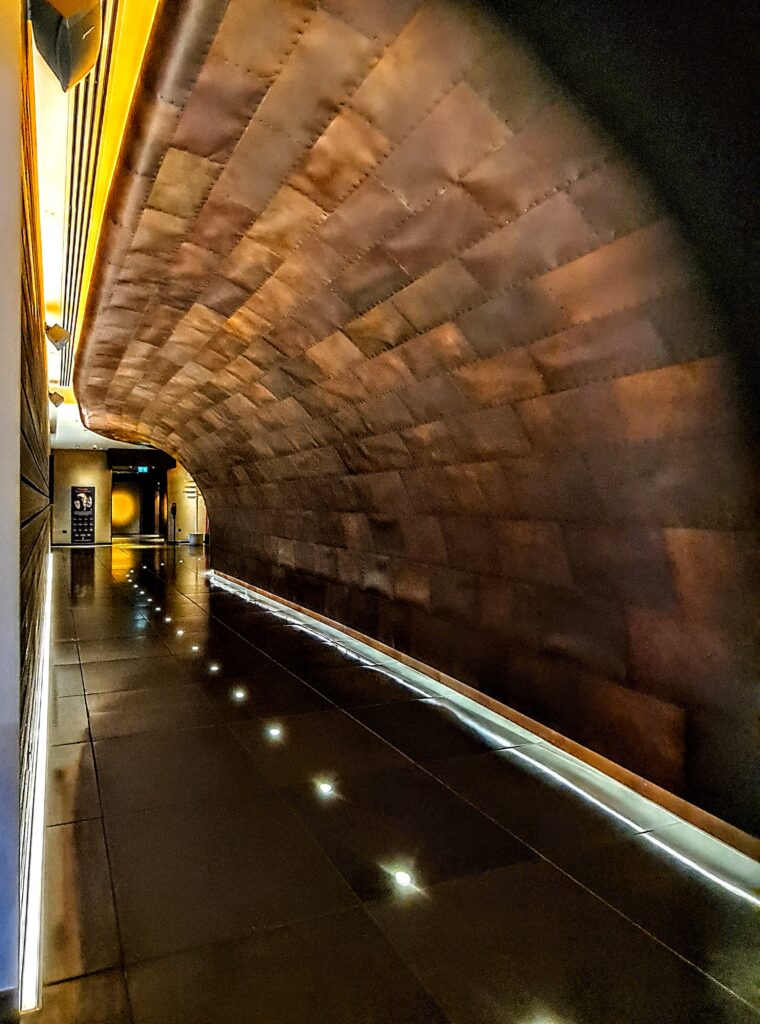
The Mondrian Hotel, Sea Containers, Blackfriars
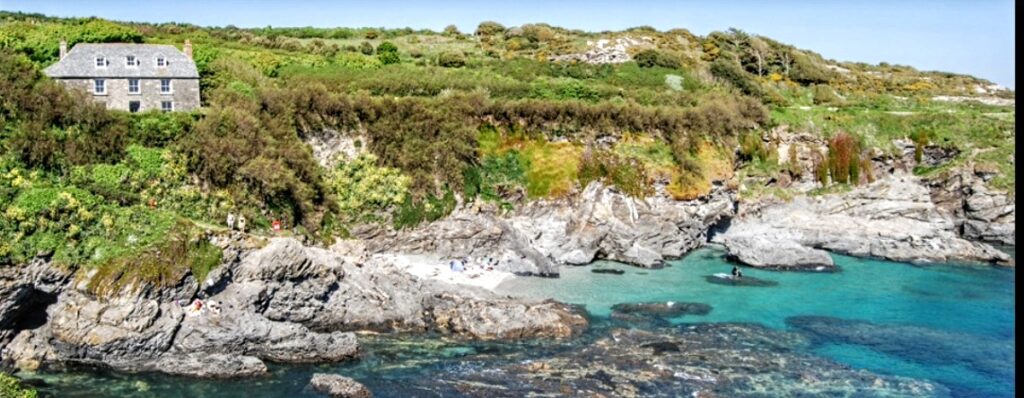
Betsys’s Cove, Cornwall
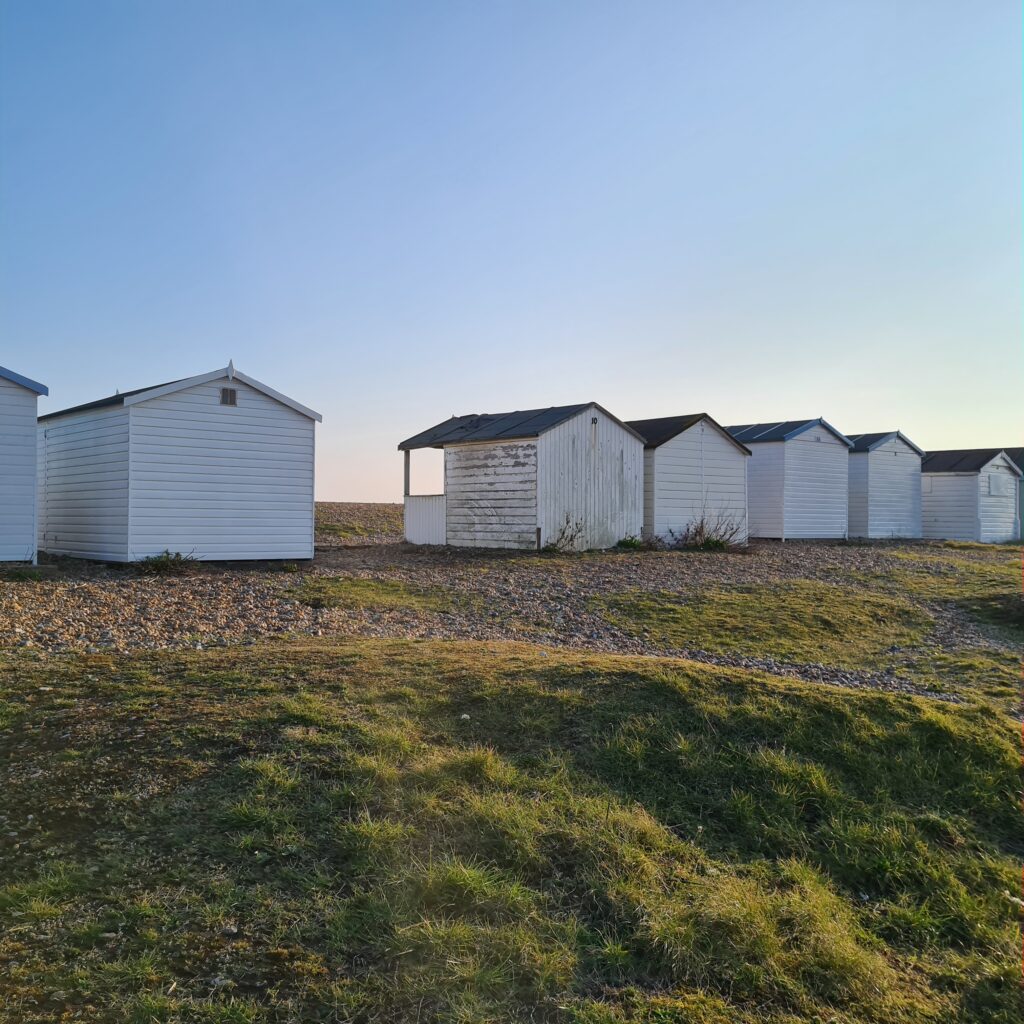
Beach huts, Worthing 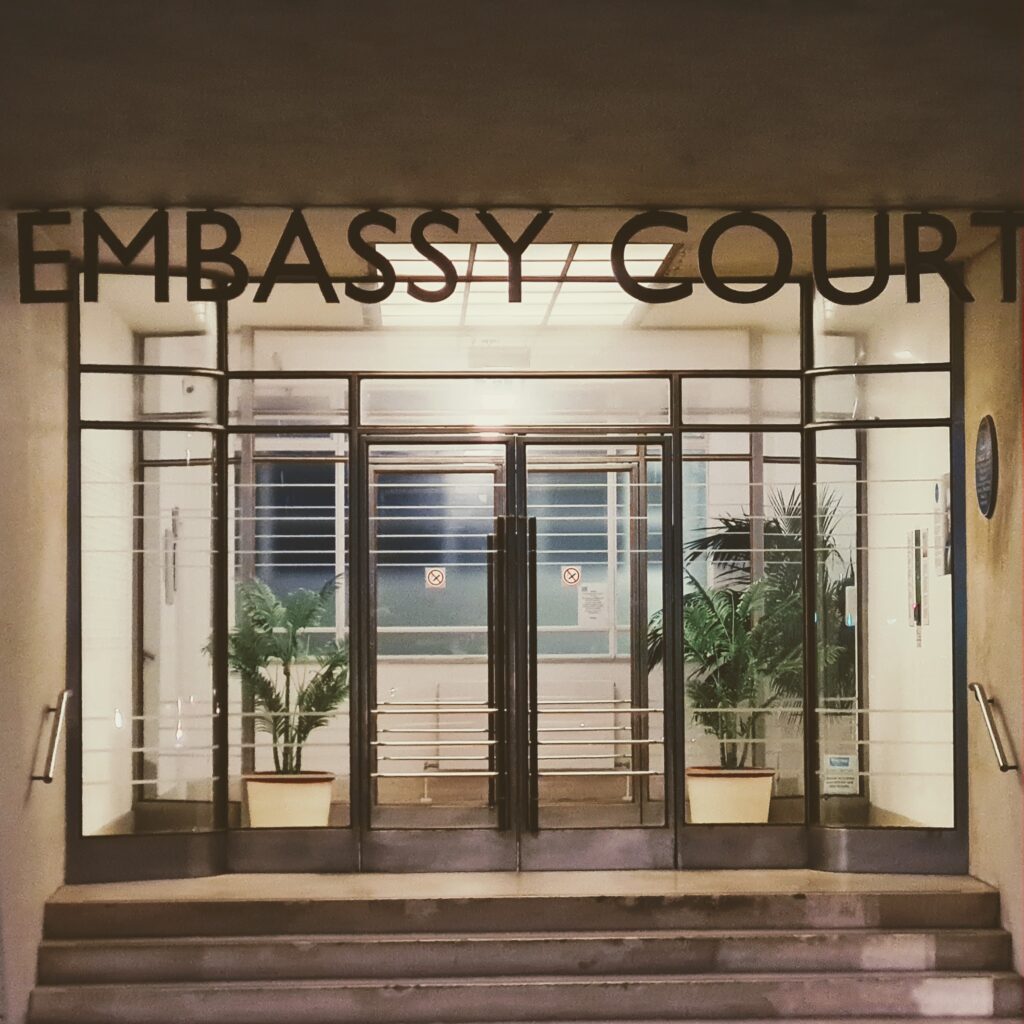
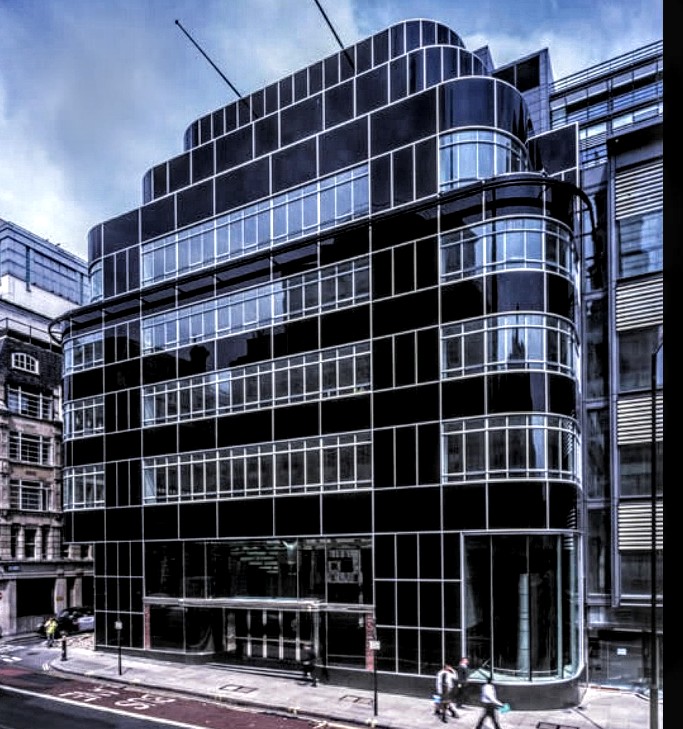
Art Deco classic 
Brighton Sovietism 
Beach cafe, Worthing
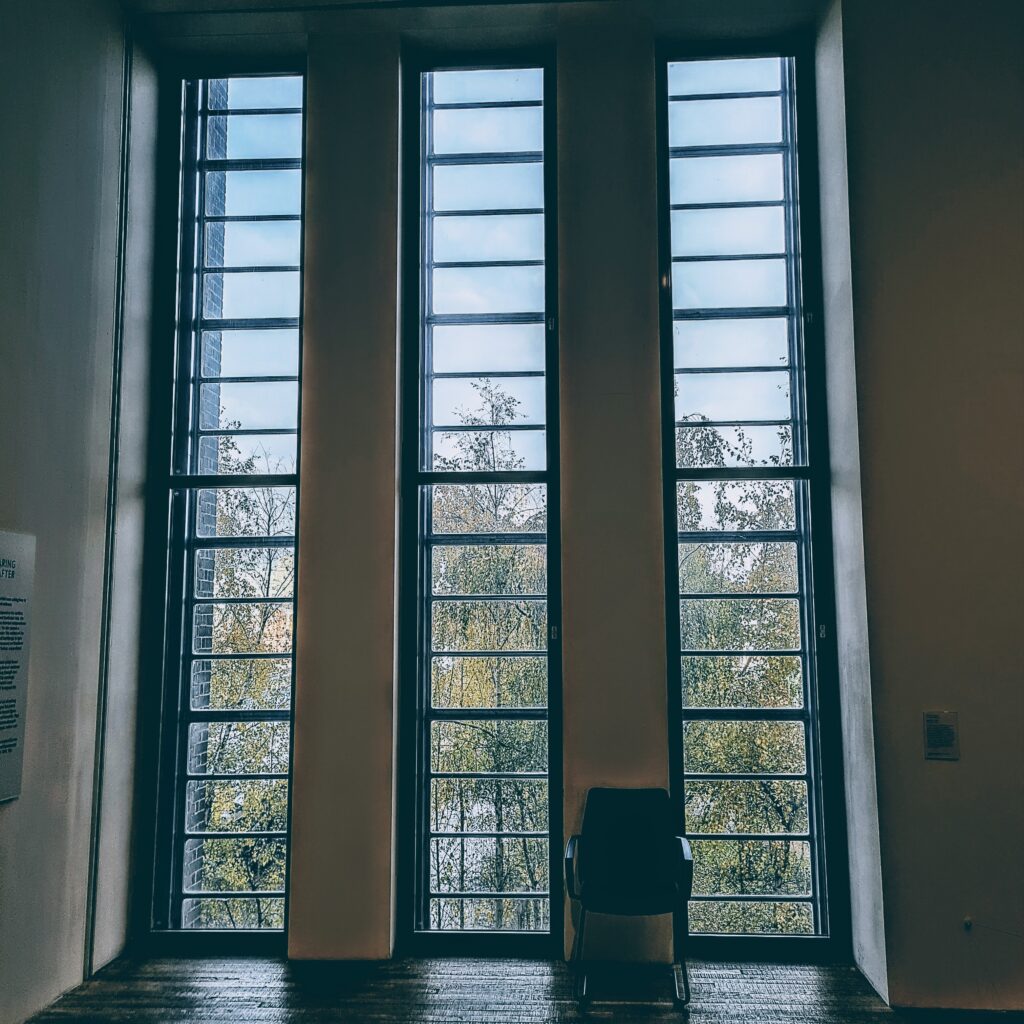

Bowater brutalism in Knightsbridge, home to advertising agency Lowe Howard-Spink
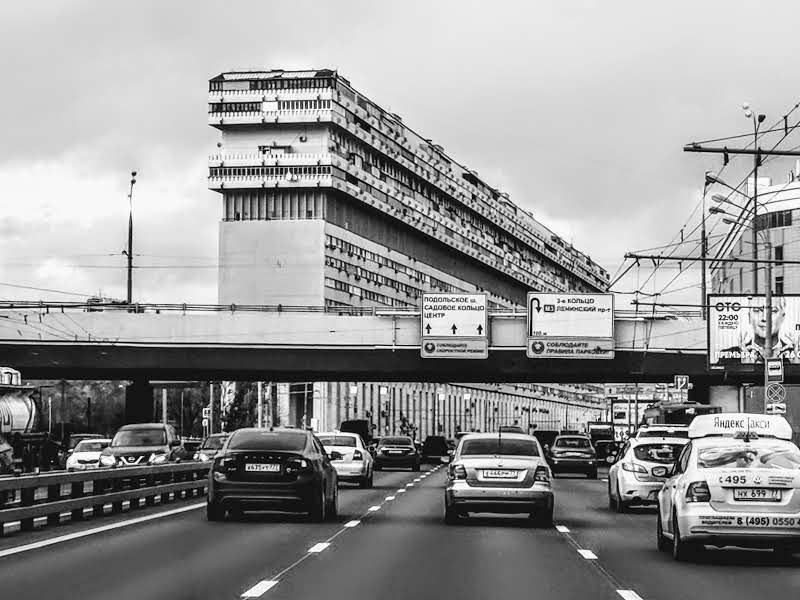
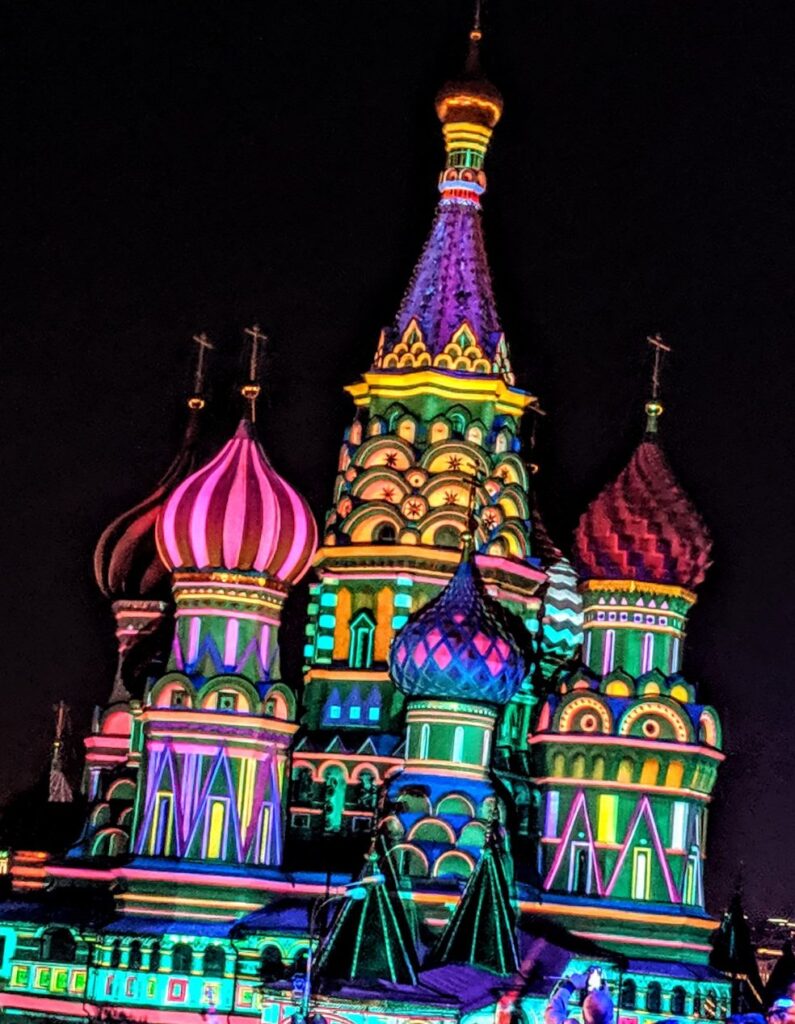
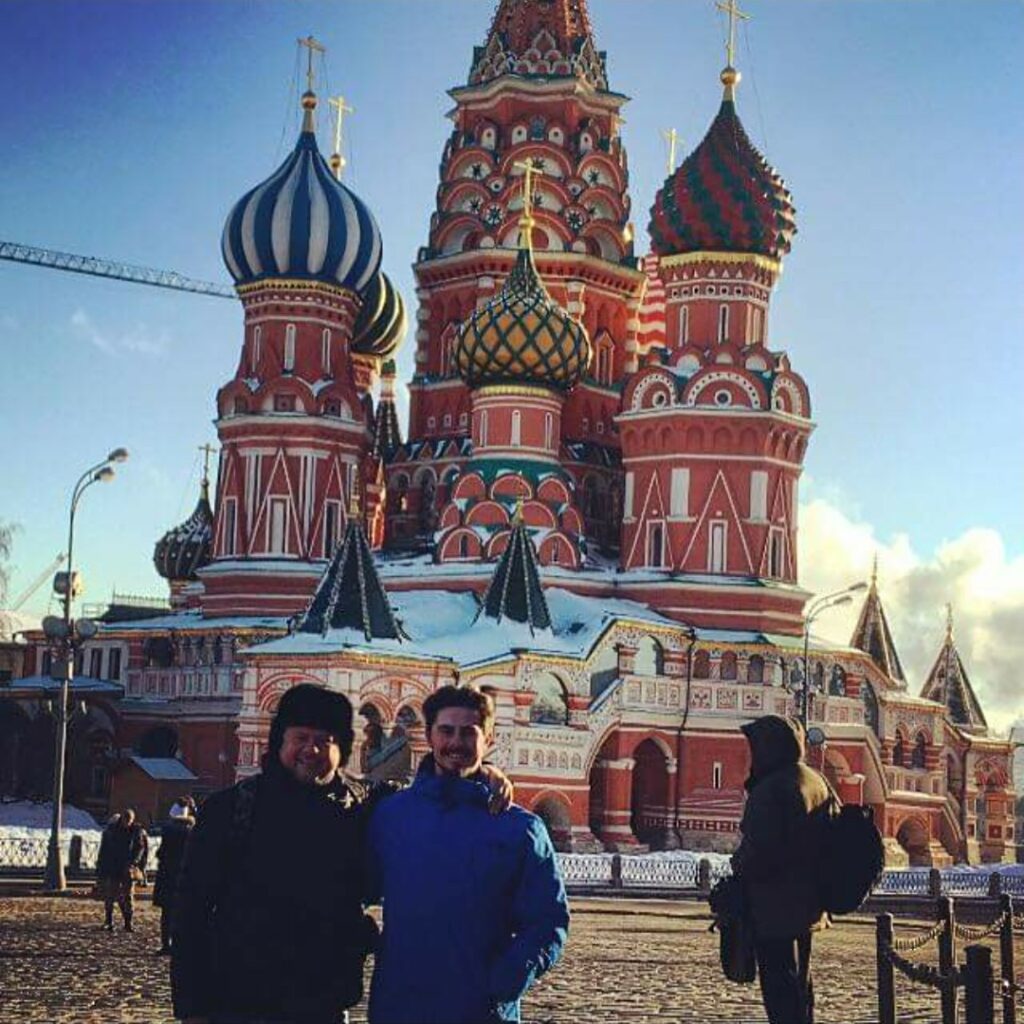
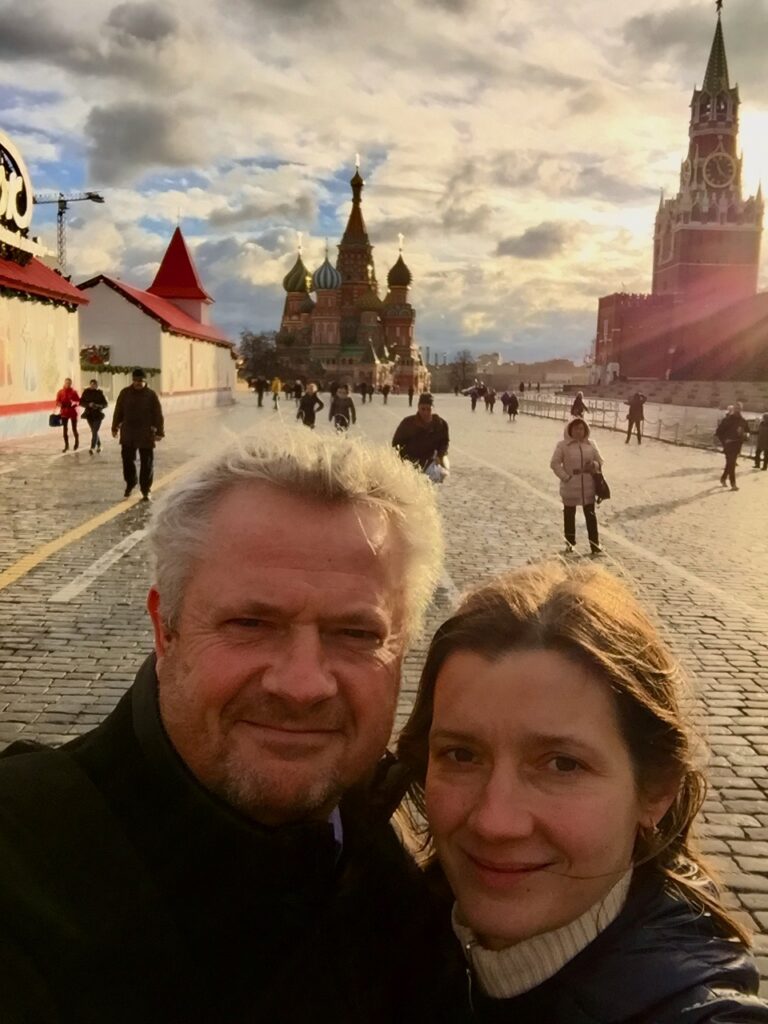
Moscow icon

St. Michael’s Mount 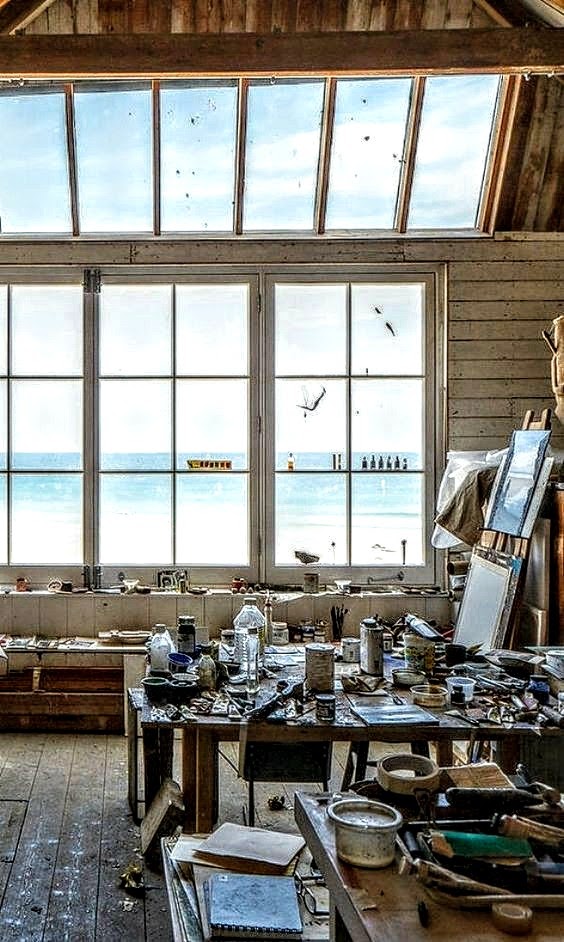
Artist’s studio, St. Ives